What is an Automation Control Panel and How Does it Work?
Automation control panels serve as the brain of various automated systems. They enable precise control over machinery and processes. According to John Smith, an expert in industrial automation, “An effective automation control panel can streamline workflows and enhance efficiency.”
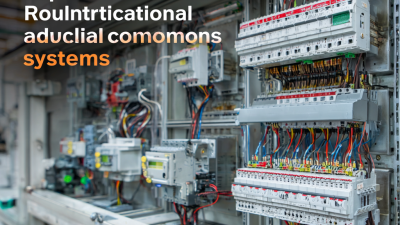
Within the realm of automation, these panels function as central hubs. They integrate inputs from various sensors and execute commands to machinery. Often, they are designed with user-friendly interfaces, allowing operators to monitor performance easily. However, not all panels are created equal. Users must consider factors like reliability and scalability.
Visual aspects matter too. A cluttered layout can lead to confusion. Over time, issues may arise if maintenance is neglected. Experts recommend regular checks to ensure optimal function. Understanding the full capabilities of an automation control panel is crucial for maximizing its benefits. Embedding advanced controls may offer greater versatility. Still, the complexity of modern systems can be overwhelming.
What is an Automation Control Panel?
An automation control panel is a crucial component in industrial automation. It serves as the central hub for managing various automated processes. These panels are designed to control machinery and systems efficiently. According to the International Society of Automation, over 75% of industries leverage automation control systems to improve productivity. This statistic underscores the importance of understanding what these control panels do.
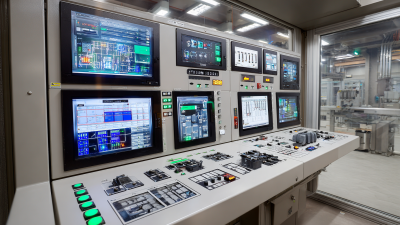
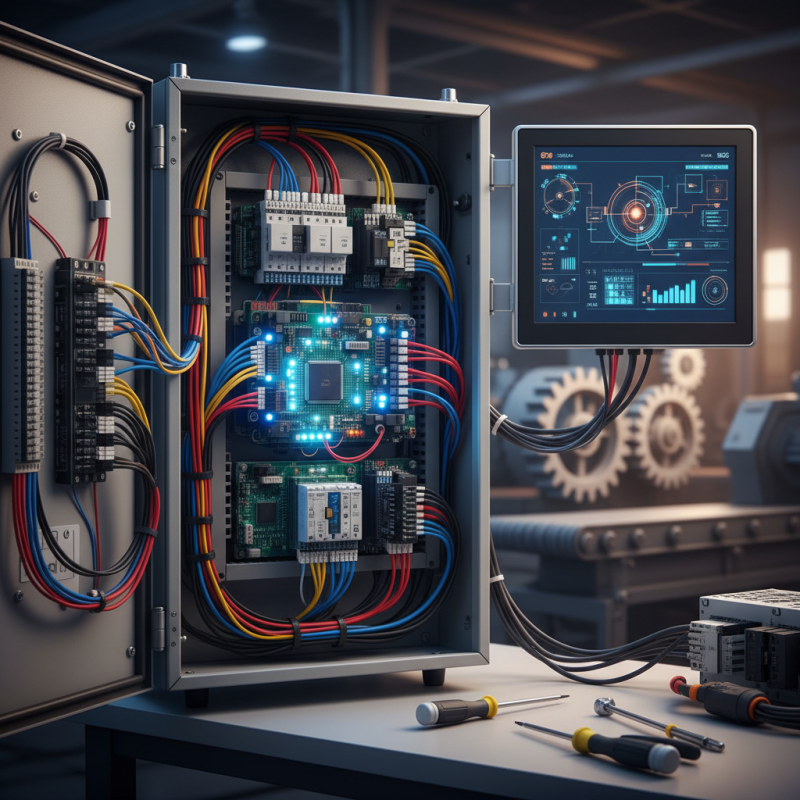
The design of an automation control panel includes interfaces like buttons, switches, and display screens. These components allow operators to monitor and control machinery from a centralized location. The rise of IoT (Internet of Things) has transformed these panels into smart systems. Data from MarketsandMarkets suggests that the automation control market is projected to grow to $300 billion by 2025. The evolution of technology presents both opportunities and challenges in ensuring these systems remain secure and effective.
Despite their advantages, automation control panels can also have flaws. Errors in programming or configuration could lead to operational inefficiencies. In some cases, outdated technology may hinder their performance. Industries must regularly assess their systems to avoid potential pitfalls. The complexity of these panels can make troubleshooting difficult, requiring skilled professionals. Continuous training and adaptation are vital in maintaining optimal functionality.
How Automation Control Panels Operate
Automation control panels are crucial in modern industrial settings. They manage various processes, ensuring efficient operation. These panels centralize control and monitoring systems. Reports indicate that automation can reduce operational costs by 20 to 30%. This reduction directly impacts profitability.
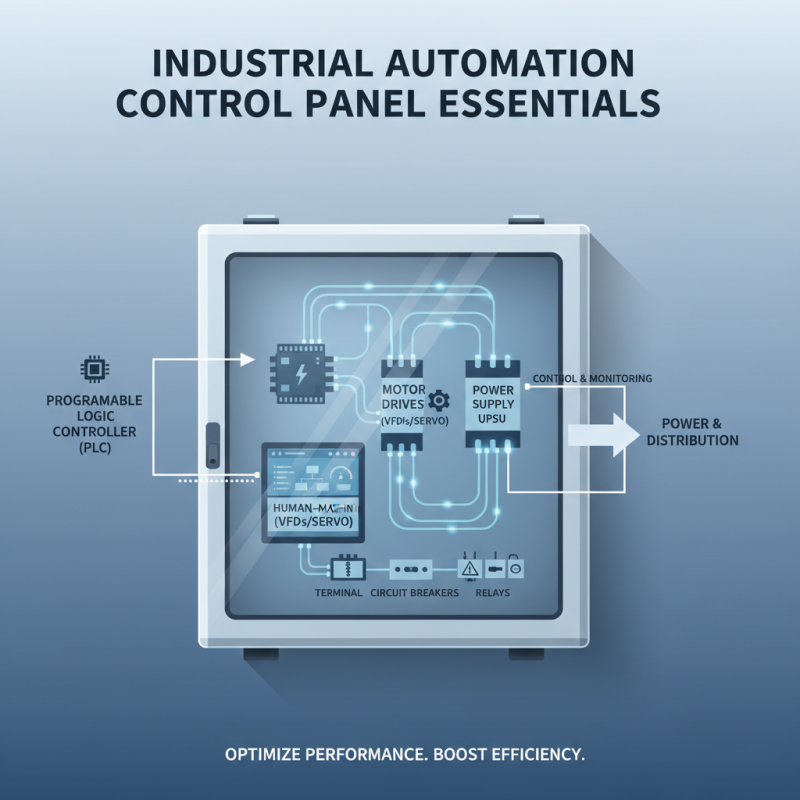
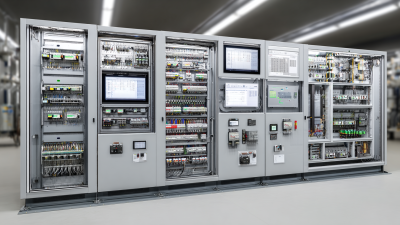
How do they operate? An automation control panel uses a combination of hardware and software. The hardware includes sensors, relays, and programmable logic controllers (PLCs). Sensors collect data from processes. This information is transmitted to the PLC, which processes it. The PLC makes decisions based on the gathered data. These decisions trigger actions in machines or equipment.
However, inefficiencies can arise. Data overload can lead to slower responses. If a system malfunctions, it can disrupt the entire process. Continuous monitoring is essential to mitigate such risks. Ensuring regular updates to the software and hardware can enhance performance. Reflection on these aspects is vital for optimal operation.
Applications of Automation Control Panels in Industry
Automation control panels play a crucial role in various industries. These panels manage machinery and processes, ensuring efficiency and precision. They are commonly found in manufacturing, where they control production lines. In power plants, they monitor equipment and optimize energy use. The versatility of automation control panels makes them indispensable in modern industry.
In the food and beverage sector, these panels ensure safety and consistency. They regulate temperatures and mixing processes, which are vital for product quality. However, reliance on technology can sometimes lead to oversights. Regular maintenance is essential to prevent unexpected failures.
Tips for using automation control panels effectively include routine inspections and updates. Encourage staff training to improve operational efficiency. Always review the data generated by the panels. Reflect on the performance metrics to identify areas for improvement. Small adjustments can lead to significant gains in productivity. By fostering a culture of continuous improvement, industries can fully leverage automation control panels for their processes.
What is an Automation Control Panel and How Does it Work? - Applications of Automation Control Panels in Industry
| Dimension |
Description |
Application |
Industry |
| Control Method |
Techniques used for automation control |
PID Control |
Manufacturing |
| Components |
Key parts of an automation control panel |
Relays, PLCs, Sensors |
Process Control |
| Benefits |
Advantages of using automation control panels |
Increased Efficiency |
Automotive |
| Monitoring |
Real-time system analysis capabilities |
SCADA Systems |
Utilities |
| Safety Features |
Safety protocols integrated into systems |
Emergency Shutdown |
Chemical Processing |
Benefits of Using Automation Control Panels
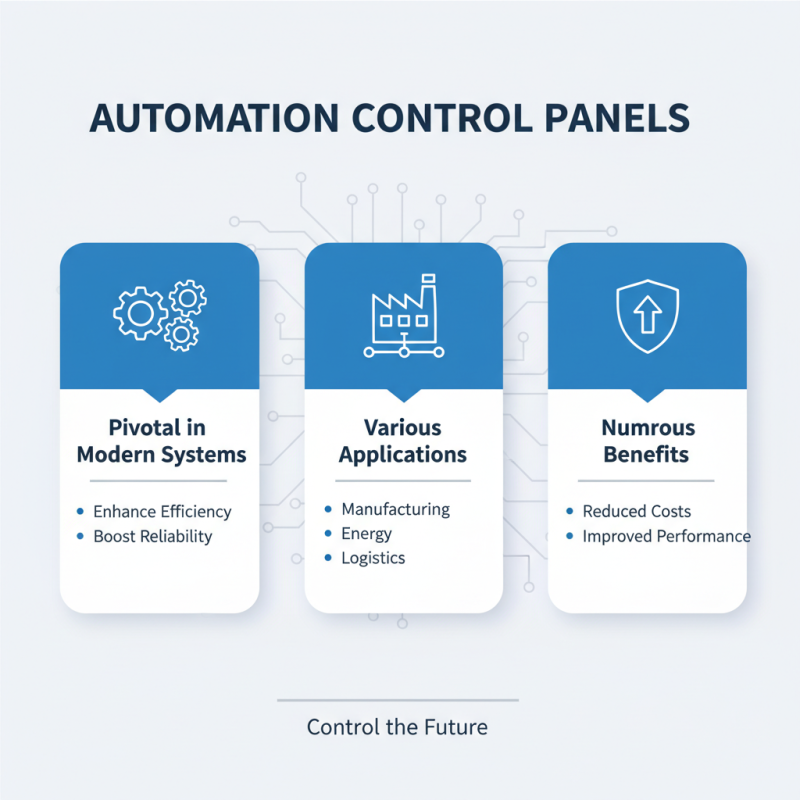
Automation control panels are pivotal in modern systems. They enhance efficiency and reliability in various applications. Using these panels presents numerous benefits.
One major advantage is improved operational efficiency. Automation control panels streamline processes. They reduce the need for manual intervention, saving time and labor. This efficiency often leads to lower operational costs. Moreover, automation minimizes the likelihood of human error. With real-time monitoring, issues can be detected early. This allows for quicker responses.
**Tip:** Regular maintenance checks can prevent unexpected breakdowns. Periodic evaluations help ensure their longevity.
Another benefit is enhanced safety. Automation control panels can monitor and control hazardous environments. They reduce risks to operators by automating dangerous tasks. Implementing these systems is vital for workplaces with high safety standards.
While automation can optimize operations, it’s important not to overlook potential pitfalls. For instance, reliance on technology can create vulnerabilities. System failures can disrupt operations, causing delays. Training staff is essential for effective operation and troubleshooting.
**Tip:** Invest in comprehensive training programs for your team. Well-trained employees can better handle unexpected issues.