How to Choose the Best Control Panel Solutions for Your Needs?
Choosing the right control panel solutions is crucial for businesses across various industries. A recent report by MarketsandMarkets indicates that the global control panel market is projected to reach $21.7 billion by 2026, showcasing steady demand and innovation. The wide variety of available options can be overwhelming.
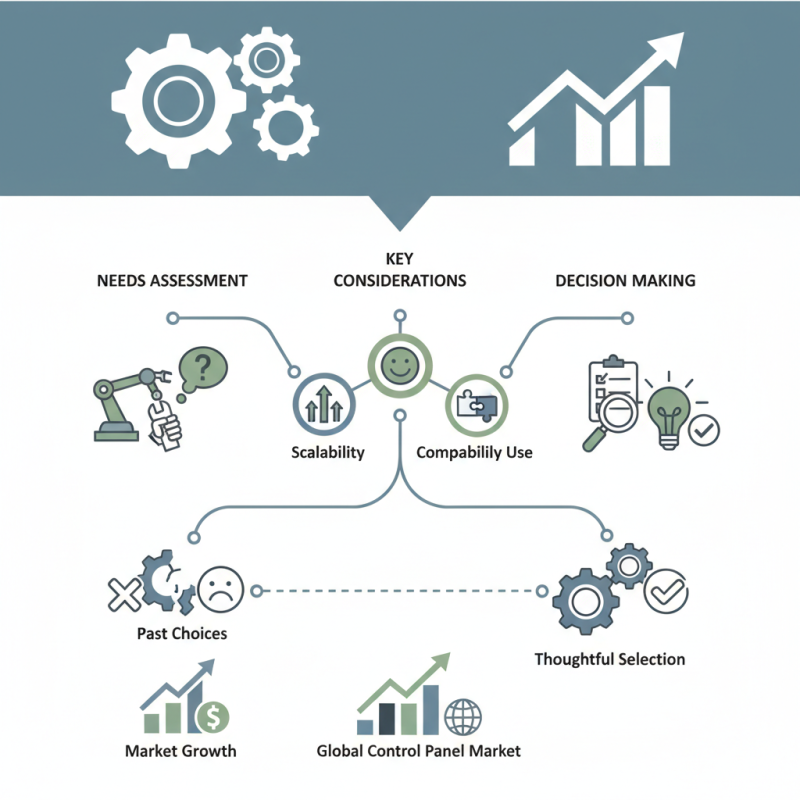
Selecting the most suitable solution involves understanding specific needs. For instance, automation processes may require different features than manual operations. It's important to consider factors such as scalability, ease of use, and compatibility with existing systems. Customization options can also impact your decision, as they might offer tailored functionalities.
While many solutions promise efficiency, not all deliver as expected. Companies often overlook their unique requirements, leading to poor implementation. Reflection on past choices can guide better decision-making. The right control panel solutions can elevate operational performance when chosen thoughtfully.
Understanding the Importance of Control Panels in Modern Systems
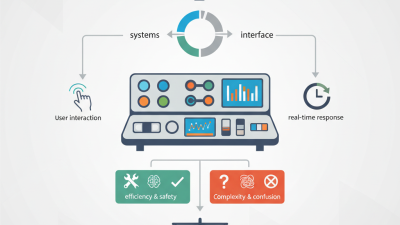
Control panels play a crucial role in modern systems. They serve as the interface between users and complex machinery. Users rely on control panels to monitor, manage, and troubleshoot systems effectively. Without a proper control panel, operations can become chaotic.
When choosing a control panel solution, consider the specific needs of your system. Assess the interface requirements. A well-designed interface simplifies user interaction. Ensure that it is intuitive and easy to navigate. You may find confusion when interfaces are cluttered.
Tip: Look for customizable options. A tailored control panel can enhance your workflow efficiency. Prioritize compatibility with existing systems to avoid integration issues.
Evaluate the feedback mechanisms as well. Alerts and status indicators are vital for timely responses. Without proper feedback, you risk delays and mistakes. Sometimes, simplicity is more beneficial than complex features.
Tip: Test different designs with real users. Their experience can reveal flaws or unexpected usability issues. Engaging with users early helps in refining your final choice. It’s essential to realize that no system is perfect, and continuous improvement is key.
Key Features to Consider When Selecting a Control Panel Solution
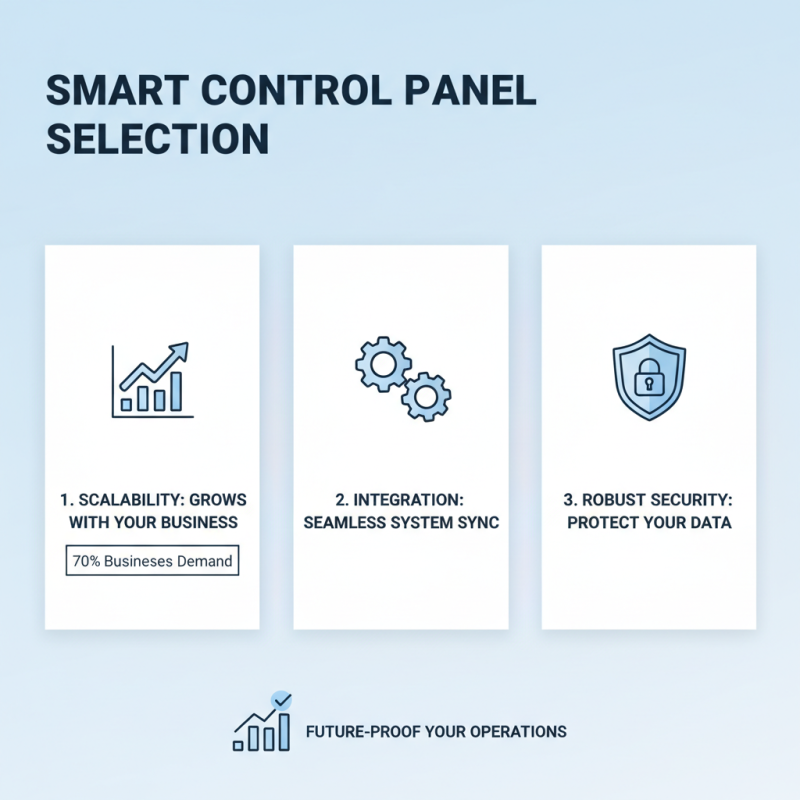
When selecting a control panel solution, several key features should be prioritized. Scalability is crucial. A robust solution can grow with your business, adapting to increased demand and new technologies. According to industry reports, 70% of businesses seek scalable solutions. A control panel that can easily integrate with existing systems will save time and resources.
User experience matters greatly. A well-designed interface allows users to navigate easily. Data from a recent survey indicates that 65% of users will abandon a product if it’s not user-friendly. Features such as customizable dashboards can enhance user interaction, enabling faster decision-making. Security features also play a vital role. A solution must offer adequate protection against data breaches and cyber threats.
Compliance with industry standards is often overlooked but essential. Many organizations fail to ensure their systems meet necessary regulations. This can lead to significant risks and losses. Lastly, consider customer support and training options. A solution without adequate support can lead to unresolved issues. Reflecting on these factors will ensure a more effective selection process.
Comparative Analysis of Popular Control Panel Software in 2023
When exploring control panel solutions in 2023, several factors come into play. Different software offers various features, including user interface design, scalability, and support options. Some users may appreciate a simple layout while others seek comprehensive tools for advanced tasks. This disparity highlights the importance of choosing a control panel that aligns with your specific needs.
In the comparative analysis, some panels stand out in functionality but lack user-friendliness. A robust feature set may come with a steep learning curve. Other options prioritize an intuitive design but may fall short in advanced capabilities. Reflecting on this trade-off is crucial. Also, while some panels offer excellent community support, others may provide limited resources. Consider how these aspects will impact your daily operations. Balancing ease of use with functionality is vital for long-term satisfaction.
Comparison of Control Panel Solutions in 2023
This chart illustrates the comparative analysis of popular control panel software based on key features, user satisfaction, and market share in 2023.
Evaluating Performance Metrics for Control Panels: What to Look For
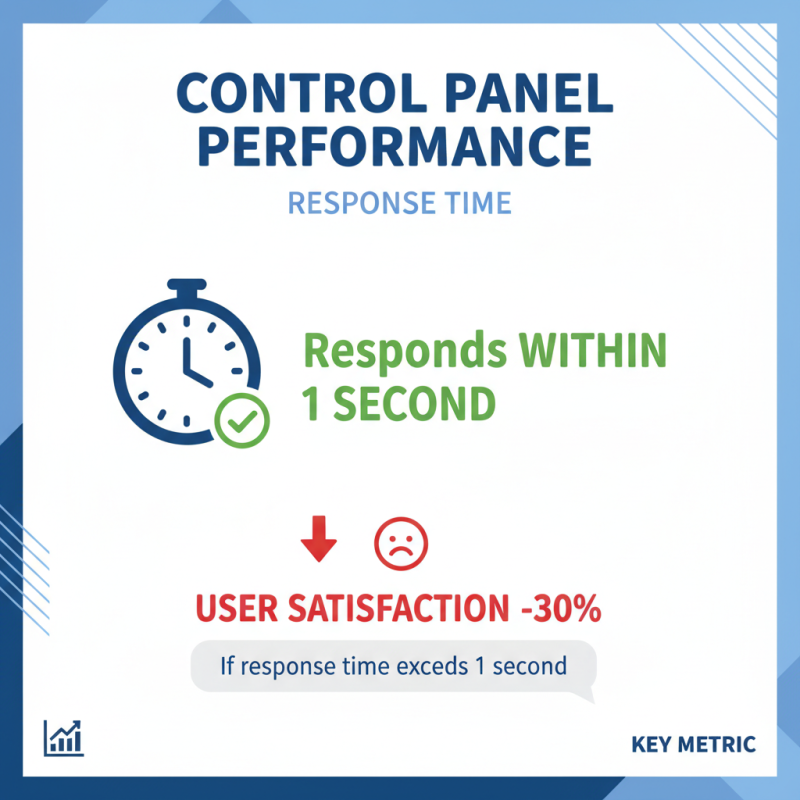
When evaluating control panel solutions, performance metrics are crucial. Start with response time. A good control panel should respond within 1 second. According to industry reports, user satisfaction drops by 30% if response time exceeds this limit. A slow interface can frustrate users.
Next, consider uptime metrics. Aim for an uptime of 99.99%. This figure is standard in many industries. A control panel with lower than 99% uptime can lead to significant operational issues. Companies have lost revenue due to unexpected downtimes. It’s vital to find solutions that show proactive monitoring features.
Look into customization options as well. A flexible control panel can adapt to changing business needs. Approximately 75% of organizations report needing more customizable features. However, striking a balance between flexibility and complexity can prove challenging. Too many options can overwhelm users, leading to confusion.
Cost-Benefit Analysis of Control Panel Implementations in Business Operations
When implementing control panel solutions, businesses must consider cost versus benefits. A recent study by the Automation Research Institute found that companies adopting smart control panels can see a 15% reduction in operating costs. This reduction is often tied to increased efficiency and lower energy consumption. However, initial investments can be significant, with estimates ranging from $5,000 to $50,000, depending on the complexity of the system.
The challenge lies in understanding the long-term gains. While upfront costs may deter some, the future savings can justify the initial expenditure. For example, businesses may find payback on investment occurring within two years. Moreover, integrating advanced control systems can enhance productivity by up to 20%, according to a report by the Efficiency Metrics Council.
That said, not all implementations go smoothly. Many companies face challenges in training staff or adapting existing processes to new systems. Overcoming these hurdles is vital for maximizing the return on investment. With ongoing advancements, companies must remain adaptable and continuously evaluate their control panel solutions to avoid stagnation and ensure long-term success.
How to Choose the Best Control Panel Solutions for Your Needs? - Cost-Benefit Analysis of Control Panel Implementations in Business Operations
| Criteria |
Cost ($) |
Benefits |
ROI (%) |
Implementation Time (days) |
| Basic Control Panel |
1500 |
Moderate Operation Control |
30 |
10 |
| Advanced Control Panel |
3500 |
High Efficiency & Analytics |
75 |
15 |
| Custom Control Panel |
8000 |
Tailored Solutions |
90 |
30 |
| Cloud-based Control Panel |
2000 |
Scalable & Accessible |
40 |
7 |
| DIY Control Panel Solution |
500 |
Cost-effective & Flexible |
50 |
20 |