How to Choose the Best Wifi Smart Switch for Your Home?
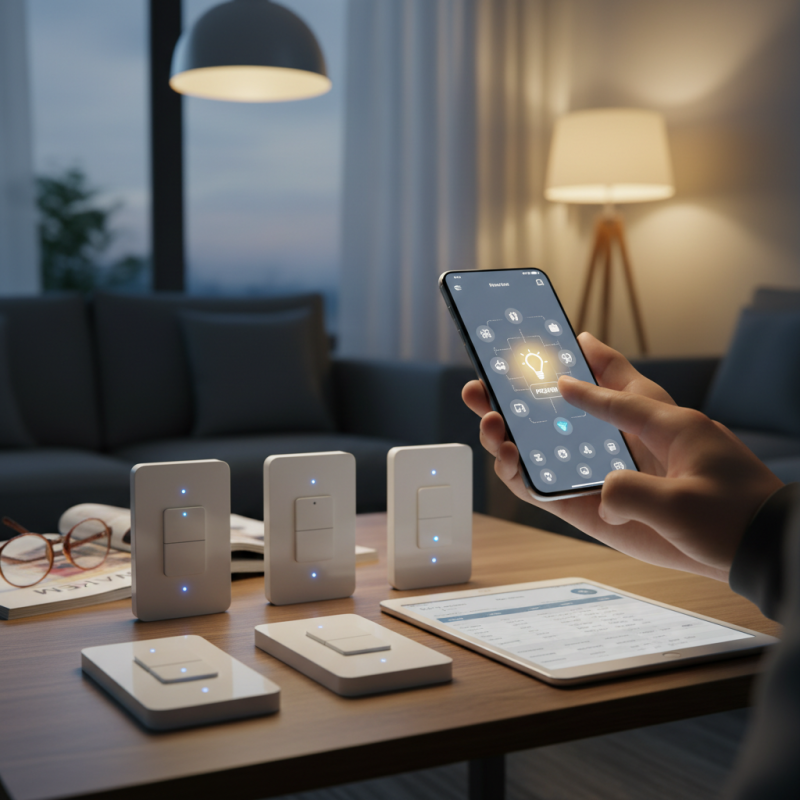
Choosing the right Wifi Smart Switch can transform your home. It offers convenience and control at your fingertips. Imagine turning on your lights from your phone while you’re away.
However, not all Wifi Smart Switches are created equal. Some models may lack essential features. Others might not be compatible with your existing setup. Research is crucial. Look for a switch that suits your needs and fits your lifestyle.
Pay attention to ease of installation and interface usability. Reviews from other users can provide valuable insights. Developing a better understanding of your options can lead to a more satisfactory choice. Take your time. Reflect on what you truly need in a Wifi Smart Switch. It’s a decision that impacts your daily life significantly.
Factors to Consider When Choosing a Wifi Smart Switch for Home Use
When choosing a WiFi smart switch, several factors demand attention. Compatibility is key. Ensure the switch works with your current home setup. Some may need specific wiring or hub configurations. Double-check the specifications. Not all switches support all devices.
User experience matters too. Look for a model with an intuitive app. Some apps are clunky and hard to navigate. A seamless interface makes daily use easier. Reliability is another point. Read reviews about how often users face connectivity issues. An unreliable switch can disrupt routines.
Consider energy monitoring features. These can help track power usage, leading to savings. However, not all switches offer this function. Be aware of the trade-offs. Pricing varies widely. Higher cost doesn't always guarantee better performance. A balance between features and budget is essential, and sometimes compromises are necessary.
Understanding Different Types of Wifi Smart Switches Available in the Market
When it comes to wifi smart switches, understanding the types available is essential. There are three main categories: single-pole, three-way, and dimmer switches. Single-pole switches control one light from one location. They are simple and effective but can be limiting for large spaces. Three-way switches, on the other hand, allow control from two different locations. This is useful in hallways or large rooms, but installation might be tricky.
Dimmer switches add another layer of convenience. They enable personalized lighting levels, creating ambiance in your home. Not all dimmers are created equal, though. Some may require specific bulbs or additional setup. It’s worth considering your existing fixtures and compatibility. You might find that a smart switch doesn't work with certain lights, leading to frustration. Reviewing the features before purchase can save time.
A crucial aspect many overlook is user interface. Some smart switches have intuitive apps, while others might be complex. If you plan to control several devices, easier navigation is key. You may need a bit of trial and error to find what feels right for you. Reflecting on past experiences with technology can guide you in making the right decision. Each type offers distinct benefits, so choose wisely.
How to Choose the Best Wifi Smart Switch for Your Home? - Understanding Different Types of Wifi Smart Switches Available in the Market
| Type of Wifi Smart Switch | Features | Compatibility | Price Range |
| Single Pole Switch | Remote control, scheduling, energy monitoring | Most light fixtures | $20 - $40 |
| 3-Way Switch | Remote access, voice control, multi-location control | 3-way lighting setups | $30 - $50 |
| Dimmer Switch | Dimming capability, scheduling, scene control | Compatible with dimmable LEDs | $35 - $60 |
| Outlet Switch | Remote control for connected devices, energy monitoring | Any device that can be plugged in | $15 - $30 |
| Multi-functional Switch | Control lights and appliances, customizable settings | Smart home systems | $50 - $100 |
Key Features to Look for in a High-Quality Wifi Smart Switch
When selecting a high-quality WiFi smart switch, several key features should be prioritized. First, consider the ease of installation. Many switches require no neutral wire, making them suitable for older homes. According to industry reports, around 40% of homes in the U.S. lack a neutral wire in their electrical systems. This eliminates some models from contention for these homes.
Next, check for compatibility with smart home systems. Many users desire seamless integration with platforms like Amazon Alexa or Google Home. Moreover, a report from a smart home research firm indicates that 55% of consumers prefer devices that work well within existing ecosystems. This compatibility ensures that you can control your lights through voice commands or your smartphone.
Another critical feature is the switch's energy monitoring capability. Some models provide data on energy consumption, helping homeowners save on electricity bills. A study found that devices with energy monitoring features can reduce costs by at least 10%. Reliability also matters; look for devices with solid reviews and a warranty period. While many switches work well, some may face connectivity issues due to WiFi interference. User feedback often reveals frustrations with these inconsistencies. Balancing these factors can guide you toward a more satisfying choice.
Comparing Compatibility with Smart Home Ecosystems and Devices
When choosing a Wi-Fi smart switch, compatibility with existing smart home ecosystems is critical. In 2023, around 60% of homes have at least one smart device. This trend underscores the importance of seamless integration. Compatibility issues can lead to frustration. For example, a smart switch may not connect with certain hubs or devices. According to recent surveys, 40% of users faced integration challenges when adding new devices.
Consider common platforms like Zigbee and Z-Wave. Many smart switches support these, but not all. A survey revealed that 52% of users prefer devices that easily link with their existing systems. Choose switches that offer extensive compatibility to avoid future hassles. Some devices may not communicate with each other due to incompatible protocols.
Moreover, check if the smart switch supports voice assistants. Data shows that over 70% of smart home users utilize voice commands regularly. Without this feature, a switch might fall short of your expectations. Assess not just the short-term benefits, but also long-term usability. It's essential to consider how your needs may evolve over time.
Evaluating Security Features of Wifi Smart Switches for Safety
When selecting a Wi-Fi smart switch, evaluating security features is crucial. A robust security system can protect your home from intruders. Look for features like WPA2 encryption, which secures your Wi-Fi connection. Some switches also offer two-factor authentication. This adds an extra layer of safety.
Consider the firmware updates. Regular updates are vital. They fix vulnerabilities and enhance security. If a device doesn’t receive updates, it might become a target for hackers. Also, examine the manufacturer’s reputation. Brands with a history of security breaches should raise red flags. Customer reviews can provide insight into their reliability.
Be cautious about how your data is managed. Some devices may collect unnecessary information. This could be a privacy risk. Always read the privacy policy and understand how your data will be used. A smart switch that prioritizes user privacy will give you peace of mind. Remember that no device is foolproof. Regularly monitor your home network for any suspicious activity. Stay informed about potential vulnerabilities in smart home technology.