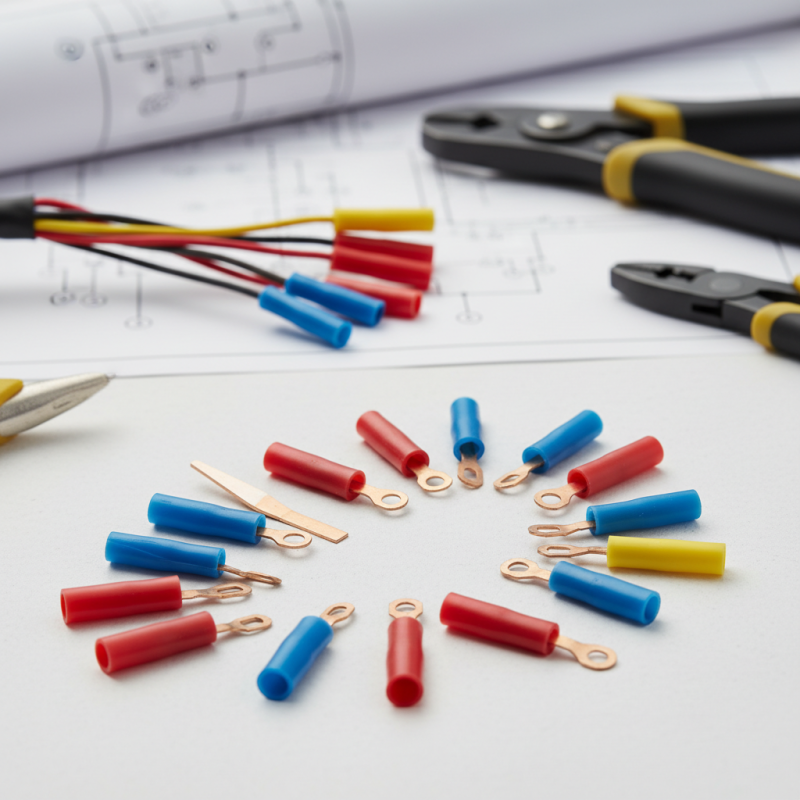
Why Choose Nylon Insulated Terminals for Your Electrical Projects?
Nylon Insulated Terminals have become a popular choice in electrical projects. These components boast unique properties that enhance their performance. They are durable, resistant to moisture, and provide excellent electrical isolation.
Choosing nylon insulated terminals means prioritizing safety and reliability. They prevent short circuits and ensure connections remain secure over time. This feature is crucial for projects exposed to harsh conditions. However, some may overlook the long-term benefits they offer for budget and functionality.
While these terminals present numerous advantages, it's essential to consider their cost. Sometimes, the initial expense may seem high. This mindset can lead to regrettable choices down the line. Evaluating your project's specific needs can help clarify the true value of nylon insulated terminals. They are indeed a practical solution in many situations.
Advantages of Nylon Insulated Terminals in Electrical Applications
Nylon insulated terminals offer exceptional advantages for various electrical applications. These terminals provide excellent protection against moisture and corrosion. This is essential for ensuring long-lasting connections. The durable design can withstand demanding environments, including automotive and industrial settings. The flexibility of nylon allows for easier handling during installations, reducing potential errors.
Using nylon insulated terminals can improve safety in electrical projects. They provide a secure, insulated connection that minimizes electrical hazards. A strong grip ensures that wires remain connected, preventing accidental disconnections. Additionally, the temperature resistance of nylon helps maintain performance under varying conditions. However, it is crucial to choose the right size and type for specific needs.
Consider the importance of quality in your projects. Sometimes, cost savings can lead to subpar materials. Using improper terminals may result in failures or safety risks. Relying solely on price can compromise long-term effectiveness. Plans should include thorough research and careful selection. Embracing quality can ultimately enhance reliability. While every project may not go as planned, using nylon insulated terminals can increase the chances of success.
Advantages of Nylon Insulated Terminals in Electrical Applications
Durability and Temperature Resistance of Nylon Insulated Terminals
Nylon insulated terminals are exceptional for electrical projects due to their durability and temperature resistance. These terminals withstand harsh environments, making them ideal for outdoor use. The nylon insulation provides strong protection against moisture and chemicals. This choice enhances both the longevity and reliability of your electrical connections.
When working with nylon insulated terminals, keep these tips in mind. Always ensure the terminal's size matches your wire gauge. A tight connection helps prevent overheating. Avoid using terminals in extreme temperature conditions beyond their rating. This can lead to breakdowns over time.
In some cases, you may notice wear and tear on the insulation. It's essential to inspect your connections regularly. Look for signs of corrosion or fraying. Addressing these issues promptly helps maintain efficiency. By choosing nylon insulated terminals, you invest in a solution that can resist the challenges of various environments.
Comparison of Nylon Insulated Terminals with Other Insulation Materials
Nylon insulated terminals have gained popularity in electrical projects for several reasons. When compared to alternatives like PVC or rubber, nylon demonstrates superior durability. It resists harsh environmental factors, including moisture, heat, and chemicals. These attributes make it a preferred choice for both indoor and outdoor applications. However, the initial cost may be higher than some options, which can deter some users.
In contrast, PVC insulated terminals are less expensive and widely available. They provide decent protection, but their lifespan under extreme conditions is limited. Rubber insulation, while flexible, can wear out faster when exposed to UV light. This wear can lead to potential failures. Therefore, choosing nylon can seem more costly upfront, but it often results in fewer replacements and repairs later.
Some users might notice that nylon terminals are slightly more challenging to work with due to their sturdiness. This rigidity can make crimping a bit more demanding. Yet, the increased effort typically leads to a more secure connection. It’s essential to weigh these factors and consider what best suits individual project needs.
Best Practices for Installing Nylon Insulated Terminals
When installing nylon insulated terminals, precision is key. Ensure your wires are properly stripped before insertion. Too much or too little exposed wire can lead to a poor connection. Always check the wire gauge that fits your terminal. A snug fit is essential for safety and reliability.
Tips: Use a wire stripper. It gives you perfect accuracy. Measure twice before cutting. This eliminates waste and frustration.
After joining the wires, crimp the terminal carefully. Apply even pressure to avoid damaging the terminal. If the crimp feels loose, redo it. A secure connection prevents future issues. Test the connection with a multimeter. This ensures everything is working as it should.
Tips: Avoid rushing. Take your time with each connection. A small mistake now can cause big problems later. Always inspect your work before turning on power.
Why Choose Nylon Insulated Terminals for Your Electrical Projects? - Best Practices for Installing Nylon Insulated Terminals
| Feature | Nylon Insulated Terminals | Alternative Options |
| Insulation Material | Nylon | PVC |
| Temperature Range | -40°C to 105°C | -20°C to 85°C |
| Chemical Resistance | High | Moderate |
| Durability | Excellent | Good |
| Moisture Resistance | Yes | Limited |
| Ease of Installation | Easy | Variable |
| Cost | Moderate | Low |
Cost-Effectiveness and Longevity of Nylon Insulated Terminals
Nylon insulated terminals are increasingly popular for electrical projects. Their cost-effectiveness stands out. Many electricians find that these terminals provide excellent value. They offer good performance without breaking the bank. For budget-conscious projects, this is a key advantage. High-quality nylon terminals resist wear and tear better than some alternatives. This durability reduces replacements, saving money in the long run.
Longevity is another significant factor. Nylon insulation withstands heat better than cheaper materials. This means they can handle higher temperatures without breaking down. Over time, this quality leads to fewer failures. Projects remain reliable, reducing maintenance needs. However, it’s important to note that not all nylon terminals are created equal. Some might not hold up under extreme conditions. A careful selection process ensures lasting results. Remember, quality sometimes comes at a higher upfront cost. Many focus on initial expenses, overlooking long-term benefits. This perspective can lead to regret later. Prioritizing durability and performance over price can yield better outcomes.