How to Choose the Right VFD Control Panel for Your Application?
Choosing the right VFD control panel is crucial for optimizing industrial applications. According to Dr. Alex Johnson, a leading expert in motor control systems, "A well-selected VFD control panel can enhance performance and reduce energy consumption." His experience underscores the importance of making informed decisions in this field.
Consider your specific application needs. Factors like load type, environment, and operational parameters are vital. Each VFD control panel offers unique features and capabilities, so understanding these differences can lead to better outcomes. However, many professionals overlook these details, resulting in inefficiencies and increased costs.
Selecting a VFD control panel involves more than just price considerations. It requires a comprehensive assessment of technical specifications and performance needs. Engaging with industry experts can provide valuable insights. Ultimately, the right panel can drive significant improvements, enhancing productivity and reliability in operations.

Understanding VFD Control Panels: Components and Functions
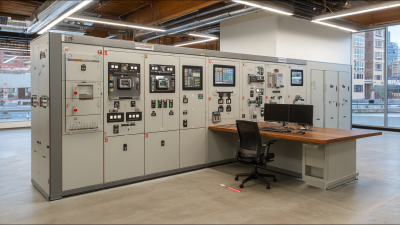
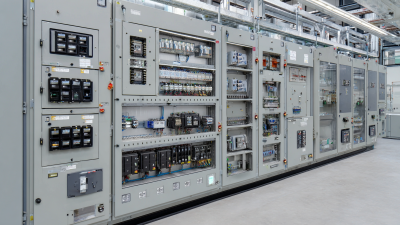
Variable Frequency Drive (VFD) control panels are essential in managing motor speed and torque. Understanding their components is crucial for optimal performance. A typical VFD control panel consists of a power supply, control circuit, and the drive itself. Each part plays a pivotal role in ensuring efficient motor operation. According to industry research, VFDs can reduce energy consumption by up to 50% in certain applications.
Components within the VFD are interconnected. The power supply converts input power to a suitable form for the motor. Meanwhile, the control circuit processes signals to regulate output. Sensors and feedback mechanisms provide real-time data. This data is vital for making immediate adjustments. However, integrating these components can be complex. Incorrect installation or mismatch might lead to inefficiencies. Attention to detail during setup is critical. Data show that approximately 25% of VFD installations face performance issues due to human error.
The importance of selecting the right VFD cannot be overstated. Each application has unique demands. For example, pump systems require precise speed control. Conversely, fan applications may prioritize energy savings. Understanding these nuances is necessary for success. A study from a reputable engineering firm indicates that misapplication of VFDs can lead to 15% increases in operational costs. Therefore, careful consideration and expert consultation are advised during the selection process.
How to Choose the Right VFD Control Panel for Your Application
| Parameter |
Description |
Importance |
Considerations |
| Voltage Rating |
The operational voltage that the panel can handle. |
Critical for compatibility with existing systems. |
Ensure it matches the supply voltage. |
| Power Rating |
The maximum power output of the VFD. |
Essential for load requirements. |
Choose based on motor specifications. |
| Control Method |
Type of control (V/f, vector control, etc.). |
Affects performance and efficiency. |
Evaluate needs based on application. |
| Environmental Rating |
Ingress Protection (IP) rating. |
Determines suitability for dust or moisture. |
Consider operating environment conditions. |
| Heat Management |
Cooling methods (active or passive). |
Prevents overheating and enhances longevity. |
Account for ambient temperature variations. |
| User Interface |
Control panel layout and display type. |
Impact on ease of use and monitoring. |
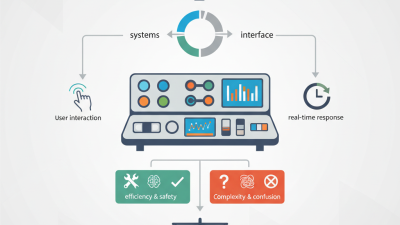
Select intuitive controls for operators. |
Assessing Power Requirements for VFD Applications
When selecting a Variable Frequency Drive (VFD) control panel, understanding power requirements is crucial. According to a 2022 industry report by the
National Electrical Manufacturers Association (NEMA), approximately 30% of industrial energy usage comes from electric motor systems. This highlights the need for
efficient VFD applications. An assessment of power requirements needs to consider the specific motor's horsepower,
voltage, and expected load variations.
Accurate calculations help determine the operational efficiency. For instance, it's vital to assess the maximum load the motor will handle and the potential for dynamic loading. A VFD
control panel that is too large may lead to higher initial costs and inefficient operation. In contrast, undersizing the panel risks overheating
and premature failure. The U.S. Department of Energy suggests that optimizing sizing can reduce energy consumption by 15% to 25%.
Moreover, environmental factors and installation location greatly affect performance. Higher ambient temperatures can reduce the lifespan of the drive. An overlooked detail like
vibration from nearby equipment can impact functionality significantly. Evaluating these variables ensures you choose a VFD control panel that meets both performance and longevity expectations.
Selecting the Suitable Control Method for Efficiency
Choosing the right control method is crucial for maximizing the efficiency of a
Variable Frequency Drive (VFD) control panel. When
selecting a control method, consider factors such as load
characteristics, application requirements, and energy savings.
VFDs allow for adjusting motor speed and torque, which can lead to considerable energy savings in applications
like pumps or fans. But not all methods suit every scenario.
Consider the different control methods available. For instance, scalar
control offers simplicity and ease of use, making it suitable for many basic applications. In
contrast, vector control provides greater precision, allowing for
better performance in demanding situations. However, vector control systems can be more complex and may
require more expertise for setup and maintenance. These factors can lead to unexpected challenges, including
higher costs and learning curves.
Moreover, analyzing your specific needs is vital. For intermittent loads, a simpler control method may
suffice. In situations requiring precise speed regulation, a more advanced method might be necessary.
Failing to assess the right approach can result in inefficiencies and increased operational costs. Your
choice should be informed and adaptable to meet the dynamic needs of your application.
Evaluating Environmental Conditions and Compliance Standards
When selecting a Variable Frequency Drive (VFD) control panel, it's crucial to evaluate environmental conditions. A report from the U.S. Department of Energy indicates that 20% of all industrial energy consumption is linked to inefficient motor control. Extreme temperatures, humidity, and dust can significantly impact the performance and lifespan of VFDs. For instance, a panel operating in high-temperature environments should meet specific thermal management standards. This ensures optimal performance and prevents premature failure.
Compliance with industry standards is imperative. The National Electrical Manufacturers Association (NEMA) outlines requirements for environmental enclosures. Different ratings, like NEMA 4 or NEMA 12, address moisture and dust. These ratings dictate the kind of protection a control panel has against environmental hazards. Ignoring these can lead to malfunctions. In fact, a study shows that 30% of VFD failures are linked to environmental factors.
Beyond standards, it's essential to reflect on unique application needs. An application in a chemical processing plant will have different requirements compared to a water treatment facility. Recognizing these distinctions can lead to more tailored solutions. This reflection can pave the way for cost-effective and efficient VFD usage. Choosing appropriately aligned VFDs boosts performance while minimizing risk.
Evaluating VFD Control Panels: Environmental Conditions and Compliance Standards
Analyzing Cost-Effectiveness and Lifespan of VFD Solutions
When choosing a Variable Frequency Drive (VFD) control panel, understanding cost-effectiveness and lifespan is crucial. A VFD's initial price might seem appealing, but its long-term performance matters more. Lower upfront costs may lead to frequent repairs and replacements. This adds hidden expenses that can surpass the initial savings. It’s essential to think about how long the VFD will last in your specific application as well.
Evaluating the materials and technology used can enhance reliability. High-quality components generally ensure a longer lifespan. However, they may come with a higher price tag. It is vital to balance these factors, considering operational efficiency and potential energy savings in your calculations. Energy-efficient drives can significantly reduce your electricity costs over time. Thus, investing a bit more initially may yield greater financial returns.
Reflections on previous choices can offer valuable insights. Some users have faced issues with cheaper models failing sooner than expected. Such experiences stress the importance of conducting thorough research. It's wise to delve into reviews and consult industry professionals for informed decisions. A well-chosen VFD panel not only optimizes performance but ultimately proves more cost-effective, leading to reliable operation in the long run.