What is Drop Cable and Why is it Essential for Your Network?
In today’s digital landscape, connectivity is crucial. Drop Cable plays a key role in establishing reliable communications. According to industry reports, the global market for drop cables is expected to reach $1.5 billion by 2026, reflecting the increasing demand for high-speed internet.
Drop cable connects the main network to end-users. This small yet powerful piece of technology facilitates seamless internet access. It is primarily used in fiber-optic systems, where performance and speed are essential. However, not all drop cables are created equal. Poor quality can lead to significant signal loss and downtime, impacting user experience and network efficiency.
Many installations suffer from inadequate planning around drop cable deployment. This can lead to improper placement and ultimately lower performance. Organizations need to ensure that they choose high-quality solutions tailored to their specific needs. Understanding the importance of drop cable is vital for any robust network infrastructure.
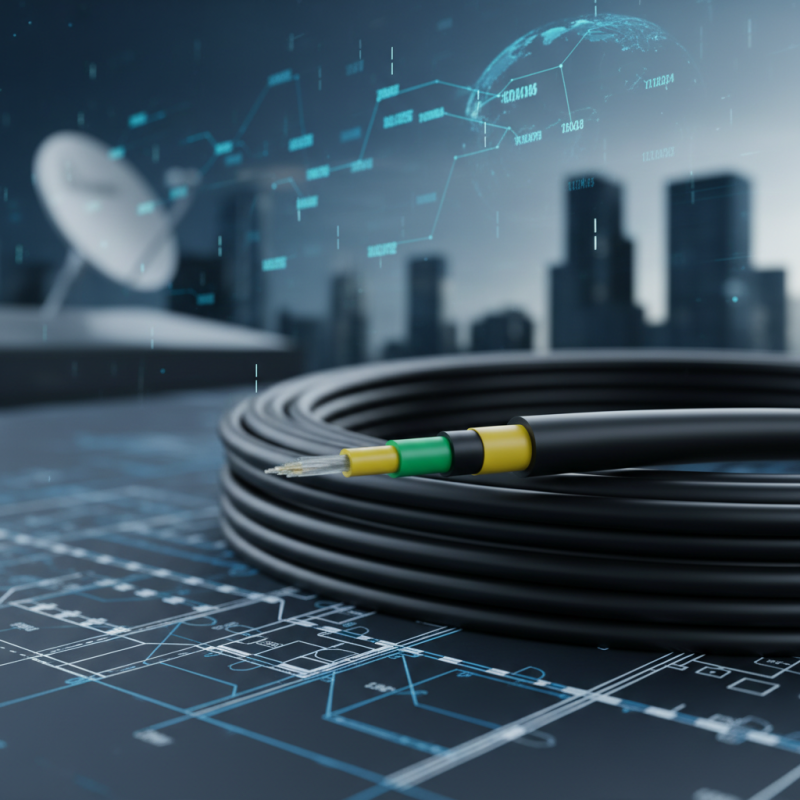
What is Drop Cable and Its Role in Networking?
Drop cable plays a critical role in modern networking. It is a type of fiber or copper cable that connects the main distribution line to the end user. This connection is essential for delivering high-speed internet and mobile services. Without drop cables, our networks would be incomplete.
These cables come in various types, each designed for specific environments. For instance, outdoor drop cables are rugged and weather resistant. Indoor drop cables, meanwhile, are lighter and easier to install.
When you think of network efficiency, consider the drop cable. It directly influences speed and reliability. Proper installation is key, yet many overlook this crucial task.
While drop cables are vital, challenges remain. They can be prone to wear and damage if not handled properly. Environmental factors also play a role in their longevity. Understanding these aspects helps in planning better network infrastructures.
Regular maintenance and attention to detail can enhance performance. Yet, many users still neglect these essential tasks.
Types of Drop Cables: Fiber vs. Copper
Drop cables play a vital role in connecting networks to the user’s device. When considering drop cables, two primary types emerge: fiber and copper. Each type presents unique characteristics and suitable applications.
Fiber drop cables are known for their high-speed capabilities and long-distance transmission. According to the Fiber Optic Association, the loss in signal quality over fiber cables is minimal, making them ideal for data-intensive environments. They can transmit data over several kilometers without significant degradation. This is crucial for businesses that rely on uninterrupted and fast internet connectivity.
On the other hand, copper drop cables are typically more affordable and easier to install. However, they are limited in distance and speed compared to fiber. A report by the Institute of Electrical and Electronics Engineers (IEEE) indicates that copper cabling can experience significant signal loss over distances greater than 100 meters. This limitation can hinder performance in larger installations.
Businesses should assess their specific requirements. Understanding these differences will ensure optimal network performance and reliable connectivity.
Key Components of Drop Cable Systems
Drop cables play a crucial role in network infrastructure. Understanding their key components helps ensure optimal performance. A drop cable typically consists of a fiber or copper medium, connectors, and protective sheathing. These elements work together to deliver data efficiently from a distribution point to the end user.
The quality of connectors is vital. Poorly manufactured connectors can increase signal loss, reducing network performance. A study by the Fiber Optic Association highlights that improper connection techniques can lead to up to 20% data loss. This underlines the importance of professional installation and regular maintenance checks. Additionally, protective sheathing is essential for safeguarding the cables from environmental factors. According to the Institute of Electrical and Electronics Engineers, cables exposed to harsh conditions may experience faster deterioration, resulting in costly repairs.
The layout of drop cable systems also impacts performance. For instance, minimizing the length of cable runs can reduce latency. However, this might not always be feasible due to building layouts. Some engineers advocate for strategic planning to balance cost and efficiency. Adjustments in installation techniques or materials can help mitigate these challenges, ensuring a reliable connection. Industry reports suggest that as demand for faster internet increases, refining drop cable systems will become even more critical.
Advantages of Using Drop Cables in Network Infrastructure
Drop cables are vital components in network infrastructure, ensuring seamless connectivity. Their design often prioritizes efficiency and flexibility, key factors for modern networks. Reports suggest that using drop cables can improve signal quality by up to 30% compared to standard cables. This enhancement leads to reduced downtime and better overall network performance.
One significant advantage of drop cables is their ability to support high bandwidth applications. According to industry analyses, up to 70% of data traffic now comes from bandwidth-intensive activities. Drop cables accommodate this need, making them essential for businesses that rely on above-average data transmission speeds. Additionally, their lightweight and slim design allows for easier installation, especially in tight spaces, minimizing installation costs.
However, drop cables are not without challenges. Users must consider potential vulnerabilities, such as physical damage or misalignment. Regular maintenance is essential to ensure optimal performance. This attention to detail can prevent unexpected outages, which can be costly. In the fast-paced tech landscape, ensuring robust connectivity through drop cables is a step toward future-proofing any organization's network capabilities.
What is Drop Cable and Why is it Essential for Your Network? - Advantages of Using Drop Cables in Network Infrastructure
| Dimension | Description | Advantages |
| Cable Type | Fiber Optic Drop Cables | High bandwidth, minimal signal loss |
| Installation | Easier to install than traditional cables | Reduced labor costs, quicker deployment |
| Durability | Designed to withstand environmental factors | Longer lifespan and better performance |
| Flexibility | Can be bent and routed in tight spaces | Easier integration into existing setups |
| Cost Efficiency | Lower overall installation cost | Greater return on investment for networking |
Best Practices for Installing and Maintaining Drop Cables
When dealing with drop cables, installation is key. Properly route cables to avoid bends and kinks. This prevents loss of signal quality. Use correct tools to secure cables in place. A well-installed drop cable enhances performance. Avoid tight spaces that may pinch the cable. This is often overlooked but crucial for longevity.
Regular maintenance of drop cables is essential. Check for wear and tear periodically. Look for signs of fraying or exposure. It's often a detail easy to miss, but crucial to network health. Use protective coverings when necessary. This can help preserve the integrity of your cables over time.
Remember, the environment plays a role too. Extreme temperatures can impact cable performance. Ensure cables are installed in suitable conditions. An environment that is too humid or too dry can be detrimental. Reflect on these factors to enhance your network's reliability.

