Essential Tips for Choosing Photovoltaic Connectors?
The rise of renewable energy has led to a surge in solar power installations globally. According to the International Energy Agency (IEA), solar PV capacity grew by over 20% in 2021 alone. This rapid growth highlights the importance of selecting high-quality components, such as Photovoltaic connectors, which play a critical role in system efficiency and safety.
Photovoltaic connectors are the backbone of solar energy systems, ensuring reliable electrical connections. A well-designed connector minimizes energy loss and enhances system longevity. Poor choices can lead to significant issues. Reports indicate that inadequate connectors contribute to over 15% of solar system failures. Such risks underline the need for careful selection.
When choosing photovoltaic connectors, factors like weather resistance, material quality, and compatibility matter greatly. Many installers overlook these details, which can lead to underperformance. As the solar industry evolves, understanding these elements becomes essential for anyone involved in solar power installation. Thus, making informed choices is vital for ensuring the success of solar energy projects.
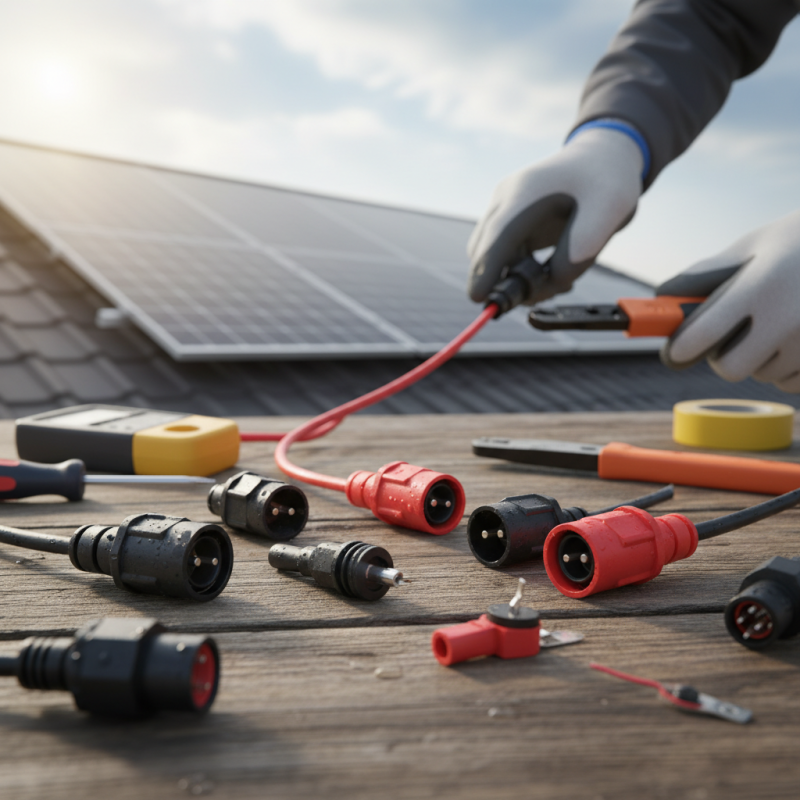
Types of Photovoltaic Connectors and Their Uses
When choosing photovoltaic connectors, understanding the various types available is crucial. MC4 connectors are among the most common types used in solar installations. They are weather-resistant and designed for outdoor use. Their reliable locking mechanism ensures that the connections remain secure, even in harsh conditions. However, it's essential to verify compatibility with your solar panels.
Another type is the Amphenol connector, known for its durability and ease of installation. These connectors often feature a push-to-lock design, making them user-friendly. Yet, users may find that misalignment can lead to malfunction. It’s vital to ensure correct orientation when connecting them.
Additionally, there are DC connectors that handle different voltage ranges. These connectors come in various styles and materials. Some may not withstand extreme temperatures as well as others. Selecting the right type requires careful consideration of environmental factors. Being aware of these details can help prevent future issues. Ultimately, doing your homework before purchasing can save time and resources.
Key Factors to Consider When Choosing Connectors
When selecting photovoltaic connectors, there are key factors to consider. Safety and reliability are paramount. High-quality connectors endure environmental stress. Studies show that over 10% of photovoltaic system failures relate to poor connector choices. This emphasizes the necessity of choosing durable materials.
Another critical aspect is compatibility. Ensure connectors fit your solar panels and inverters. Technical specifications can vary significantly. According to industry reports, improper fittings contribute to 15% of energy losses in solar installations. This is a significant margin that can affect project outcomes.
Furthermore, ease of installation cannot be overlooked. Complicated connectors can lead to longer setup times. Simplicity often results in lower labor costs. Data indicates that easier-to-install connectors decrease installation time by nearly 20%. However, some may overlook this to save on initial connector costs. Evaluating all these factors holistically is essential for making informed decisions in the photovoltaic sector.
Compatibility with Different Solar Panel Systems
When selecting photovoltaic connectors, compatibility with different solar panel systems is crucial. Solar panels come in various configurations, influencing their electrical output and connection types. According to the International Renewable Energy Agency (IRENA), mismatched connectors can lead to reduced efficiency, costing energy yield. This makes it vital to ensure that connectors are compatible with the panel's voltage and current ratings.
Moreover, the variety in solar panel designs affects the selection of connectors. For example, a study by the Solar Energy Industries Association revealed that over 90% of solar installations utilize specific connector standards. If connectors are not matched appropriately, potential risks like overheating or faulty connections can occur. This is something that deserves attention, especially for DIY installers who may overlook specification details.
While many focus solely on performance, the importance of environmental resilience cannot be ignored. Connectors must withstand temperature fluctuations and exposure to UV rays. Some low-cost connectors fail under extreme conditions, leading to higher replacement rates. It’s wise to reflect on whether short-term savings outweigh long-term risks. Making an informed choice on connectors involves not just specifications, but also understanding their role within the complete solar system.
Weather Resistance and Durability Requirements
When selecting photovoltaic connectors, weather resistance and durability are crucial factors. Connectors often face extreme temperatures, moisture, dust, and UV exposure. According to a study published by the International Electrotechnical Commission, connectors must endure temperatures ranging from -40°C to 85°C. Materials used should withstand these conditions without compromising performance.
For instance, connectors made from high-quality thermoplastics offer better resistance to UV rays. In fact, some reports suggest that improper materials can lead to degraded lifespan, impacting the whole system's efficiency. A poorly selected connector can fail within a few years, while quality connectors can last for over 25 years.
Testing standards like IEC 62852 outline how connectors should perform under various weather conditions. Various tests assess salt spray resistance and temperature cycling. These factors are essential; neglect can lead to corrosion or mechanical failure. Regular inspections are advisable, as minor wear can lead to significant issues over time. Sustainability and reliability must be at the forefront of any decision in this sector.
Installation and Maintenance Tips for Optimal Performance
When installing photovoltaic connectors, focus on the environment. They should be guarded from moisture and dirt. Proper sealing is crucial. Check if the connectors are securely latched and protected from UV light. Over time, wear and tear can affect performance.
Maintenance is equally important for optimal function. Regular inspections are needed. Look for corrosion, damaged insulation, and loose connections. These issues can lead to energy loss. Clean the connectors periodically. A soft cloth can remove dust without causing damage.
Document your maintenance efforts. It’s easy to overlook details over time. Noting when you last inspected components helps track potential issues. Reflecting on these steps will improve the system's longevity. Some challenges may arise, prompting adjustments in your approach. A proactive mindset fosters better performance in the long run.
Essential Tips for Choosing Photovoltaic Connectors
This bar chart illustrates the key factors to consider when choosing photovoltaic connectors, highlighting their importance in installation and maintenance for optimal performance.

