Understanding the Future of Power Control Systems in Smart Grid Technology
As the integration of smart grid technology becomes increasingly pivotal in modern energy infrastructure, understanding the evolution of power control systems is essential for optimizing efficiency and reliability. According to a recent report by the International Energy Agency, the global investment in smart grid technologies is projected to exceed $1 trillion by 2040, evidencing the significant focus on enhancing power management capabilities.
Power control systems play a crucial role in facilitating the seamless interaction between renewable energy sources and the traditional grid, ensuring that supply meets demand while maintaining system stability. Furthermore, as highlighted in a 2023 research paper by MarketsandMarkets, the demand for advanced power control systems is expected to grow at a CAGR of 12.5% over the next five years, driven by the increasing adoption of distributed generation and energy storage solutions.
This underlines the imperative for stakeholders to innovate and adapt their strategies in power control systems to align with emerging technological trends and consumer demands in the smart grid ecosystem.
The Evolution of Power Control Systems in Smart Grid Technology
The evolution of power control systems in smart grid technology has fundamentally transformed how electricity is generated, distributed, and consumed. Initially, power control systems were primarily centralized and operated by large utility companies, relying on one-way communication from power generation to end-users. However, the advent of smart grid technology has introduced advanced metering infrastructure, enabling two-way communication and real-time data exchange. This shift allows for more responsive and efficient management of energy resources, accommodating the growing demand for renewable energy sources.
With the integration of renewable energy technologies such as solar and wind, power control systems have evolved to become more decentralized. This transition has led to the development of distributed energy resources (DERs) that can be monitored and controlled through sophisticated software platforms. These platforms utilize algorithms and machine learning to optimize energy flows, ensuring stability and reliability in the grid. Additionally, advancements in Internet of Things (IoT) devices facilitate real-time monitoring, providing consumers with insights into their energy usage and enabling demand response strategies. This evolution not only enhances operational efficiency but also empowers consumers to participate actively in the energy market.
Understanding the Future of Power Control Systems in Smart Grid Technology - The Evolution of Power Control Systems in Smart Grid Technology
| Dimension |
Current Trends |
Future Prospects |
| Integration of IoT |
Increased connectivity and real-time monitoring |
Seamless device and system interoperability |
| Renewable Energy Sources |
Growth in solar and wind energy integration |
Enhanced grid resilience with diverse energy sources |
| Advanced Metering Infrastructure (AMI) |
Widespread deployment of smart meters |
Automated demand response and detailed analytics |
| Energy Storage Solutions |
Growing interest in battery storage technologies |
Large-scale deployment for grid stability |
| Cybersecurity |
Focus on protecting against cyber threats |
Robust security frameworks and protocols |
| Regulatory Policies |
Emergence of supportive regulations |
Adaptive regulations to foster innovation |
Key Technologies Driving the Future of Smart Grid Power Control
As we delve into the key technologies driving the future of smart grid power control, it becomes evident that innovation is at the forefront of transforming the energy landscape. Recent reports highlight the collaboration between IT, OT, and ET sectors, emphasizing a paradigm shift towards integrated, digital-driven electricity systems. The 2025 National Energy Internet Conference underscored the importance of AI in enhancing collaborative efforts within energy technologies, further solidifying the role of intelligent systems in managing complex energy demands.
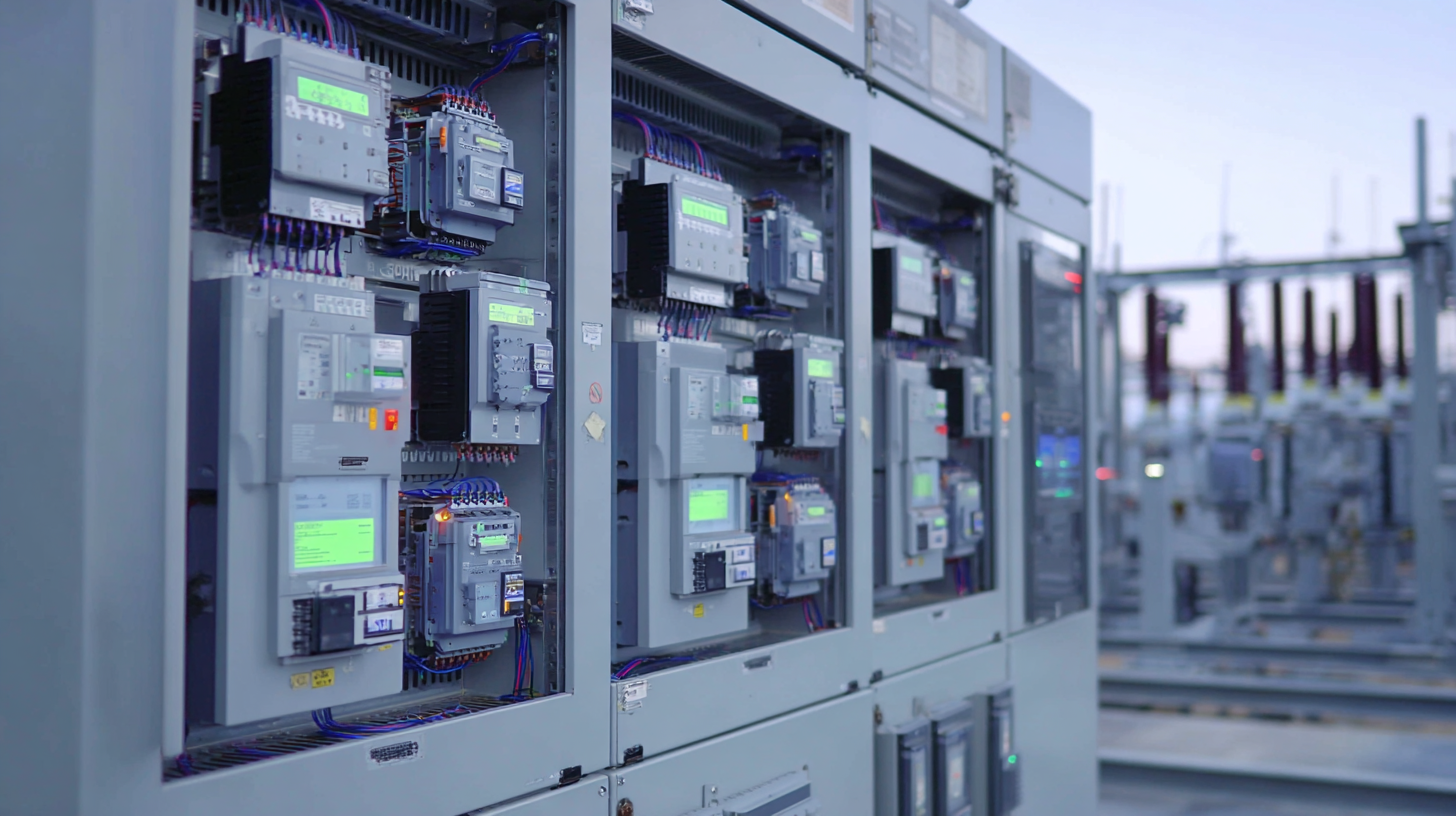 Moreover, the IEEE Power Systems and Smart Grid Technology Conference in 2025 projected that digitalization, accompanied by decarbonization, will redefine grid structures. Key technologies such as IoT for real-time data acquisition, AI for predictive analytics, and blockchain for secure transactions are revolutionizing power control systems. A Deloitte report emphasizes that these advancements not only optimize supply and demand but also contribute significantly to sustainability goals by integrating renewable energy sources more effectively into the grid.
Furthermore, the international dialogue around power control systems is evolving, as exemplified by the recent empowerment of the smart grid through cutting-edge communication techniques. The Chinese Electricity and Energy Innovation Conference showcased numerous innovations that are expected to enhance the resiliency and efficiency of electricity supply, ultimately paving the way for a greener and smarter future in power management. These developments indicate a rapidly changing industry that is increasingly relying on sophisticated technologies to address contemporary challenges within the power sector.
The Role of Data Analytics in Enhancing Power Control Efficiency
In the evolving landscape of smart grid technology, data analytics plays a crucial role in enhancing power control efficiency. A recent report from the International Energy Agency (IEA) indicates that the integration of advanced data analytics in power systems can improve operational efficiency by as much as 30%. By leveraging big data and real-time analytics, utilities can optimize load forecasting, manage peak demand more effectively, and minimize energy losses. The ability to analyze vast datasets allows for predictive maintenance, ensuring that power control systems remain operational and efficient.
Tip: Implementing a robust data management strategy can significantly improve your understanding of power consumption patterns. Regularly auditing and analyzing this data will enable you to make informed decisions about energy distribution and usage.
Moreover, as the data analytics capabilities advance, the potential for incorporating artificial intelligence (AI) into power control systems becomes increasingly relevant. According to a study by the U.S. Department of Energy, utilities implementing AI-driven analytics can reduce operational costs by 20-25%. These technologies not only enhance real-time decision-making but also facilitate the integration of renewable energy sources, paving the way for a more resilient and efficient energy grid.
Tip: Consider investing in training your workforce on data analytics tools and techniques. Empowering your team with the skills to interpret and analyze data can lead to more innovative solutions to emerging energy challenges.
Challenges and Solutions in Implementing Advanced Power Control Systems
The integration of advanced power control systems within smart grid technology presents both significant challenges and innovative solutions. According to a report by the International Energy Agency (IEA), as of 2023, more than 50% of global electricity generation is produced from renewable sources. This shift necessitates sophisticated power control systems capable of managing the variability and intermittency characteristic of renewable energy sources. The existing infrastructure is often inadequate to cope with the complexities associated with high penetration levels of renewables, leading to issues like grid instability and frequency fluctuations.
One key challenge lies in the need for real-time data analytics and seamless communication protocols among various components of the grid. A study by the Electric Power Research Institute (EPRI) highlights that over 30% of grid disruptions can be attributed to outdated control systems that lack real-time capabilities. However, deploying solutions such as advanced metering infrastructure (AMI) and enhanced forecasting tools can significantly mitigate these risks. Additionally, the adoption of artificial intelligence (AI) and machine learning algorithms enables predictive maintenance and optimized load distribution, bolstering the resilience of power control systems. By prioritizing investments in these technologies, utilities can enhance grid reliability and efficiency while meeting the demands of a more sustainable energy future.
Challenges and Solutions in Implementing Advanced Power Control Systems
The Impact of Renewable Energy on Smart Grid Power Management
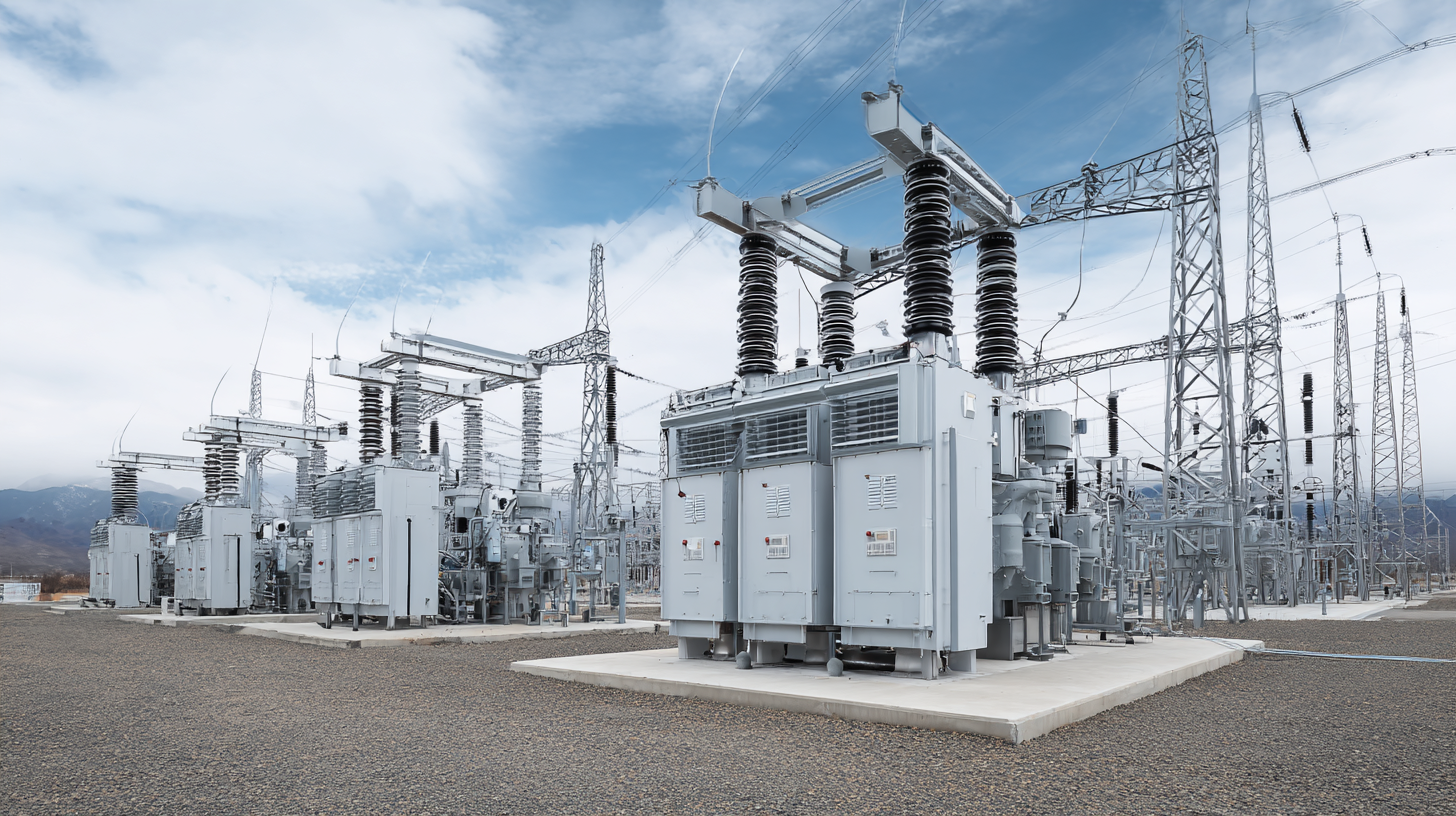 The integration of renewable energy sources into smart grid technology significantly enhances power management capabilities. As renewable energy becomes more prevalent, utilities must adopt advanced power control systems that can effectively manage the variable nature of these resources. For example, the dynamic fluctuations of solar and wind energy require sophisticated algorithms and AI-powered systems to ensure that energy supply consistently meets demand. Such advancements support not only energy efficiency but also sustainability goals, making it essential for modern grids to incorporate these elements.
Tips: To maximize the benefits of renewable energy in smart grids, consider implementing energy storage solutions that can balance supply and demand during peak times. Additionally, integrating AI can optimize load management and predict energy consumption trends, further enhancing grid reliability.
Furthermore, with the rise of electric vehicles (EVs) and their charging infrastructure, smart grids are evolving to accommodate these new demands. Enhanced communication systems enable real-time monitoring and management, ensuring that energy distribution remains efficient. By leveraging renewable energy for EV charging, we can reduce carbon footprints while fostering a cleaner environment.
Tips: Explore the potential of vehicle-to-grid technology, which allows EVs to not only consume energy but also return it to the grid during high demand, offering a dual benefit to consumers and utilities alike.