What is an Isolation Switch and How Does it Work?
An Isolation Switch is a crucial device in electrical systems. It ensures the safety of personnel and protects equipment during maintenance. Understanding how this switch works is essential for anyone involved in electrical safety.
Isolation Switches serve a specific purpose. They disconnect a circuit from the power source. This action prevents electrical shocks and accidents. For example, when technicians work on equipment, the Isolation Switch creates a safe environment. It’s more than just a simple switch; it plays a vital role in fault isolation.
There are different types of Isolation Switches. Each one is designed for specific applications. For instance, some are used in industrial settings while others are found in residential areas. It’s important to recognize the right switch for your needs. Sometimes, mistakes happen in selecting the type. This can lead to dangerous situations. Therefore, understanding the Isolation Switch's function and importance is essential for safety in any electrical project.
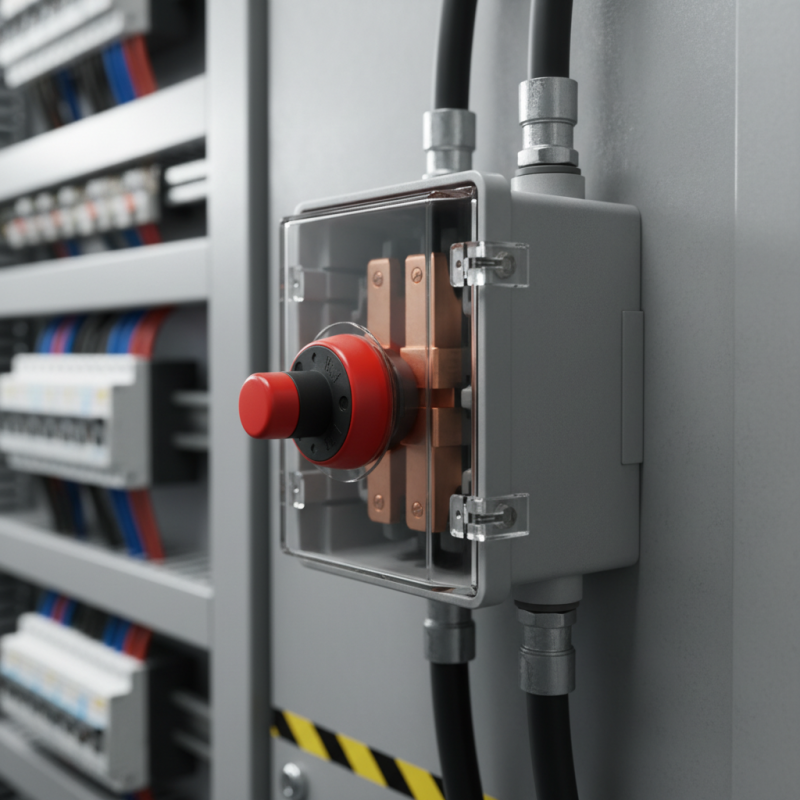
What is an Isolation Switch?
An isolation switch is a crucial component in electrical systems. It serves to disconnect a part of the circuit, ensuring safety during maintenance. By isolating sections, technicians can work without risking electrical shock. According to recent industry reports, improper handling of electrical systems can lead to accidents, highlighting the importance of these switches.
Isolation switches come in various forms, including rotary and knife switches. They provide visible disconnection, which is key in ensuring a safe working environment. A study showed that using isolation switches reduces accident rates by up to 30%. This emphasizes their role in enhancing safety protocols.
Tips: Always check the isolation switch before performing any maintenance. Ensure it is functioning correctly. Regular inspections can prevent potential failures and incidents. Also, educate staff about the correct usage and importance of these switches. Understanding their function can save lives.
The Purpose and Importance of Isolation Switches
Isolation switches play a crucial role in electrical safety. They are used to disconnect electrical circuits from the power source. This ensures that maintenance work can be done without risk. Industry reports indicate that improper isolation practices lead to 30% of electrical accidents. Hence, the importance of using isolation switches cannot be overstated.
These switches help maintain safety in diverse environments. They are vital in industrial settings, especially in high-voltage applications. Isolation switches can prevent electrical shocks, which is a continuing hazard in many workplaces. An OSHA report notes that ensuring safety protocol adherence can reduce accidents by up to 50%. This highlights the need for regular training on isolation procedures.
Tip: Always check that the isolation switch is functioning properly. Remember, a faulty switch can lead to severe consequences. Another suggestion is to document each time maintenance is performed. This creates accountability and helps prevent overlooking safety protocols. Regular inspections can save lives. Don’t forget: safety starts with you.
How Isolation Switches Operate: A Step-by-Step Explanation
Isolation switches play a crucial role in electrical systems. They provide a safe way to disconnect power. This is vital for maintenance and safety. Knowing how they operate can help ensure everything runs smoothly.
Isolation switches operate by interrupting the circuit to isolate electrical components. When manually turned off, they cut the current flow. This prevents accidental energization during repairs. According to industry reports, the global isolation switch market is expected to grow significantly by 2025. Efficiency and safety are central to this trend. Many facilities now prioritize the installation of reliable isolation switches to enhance worker safety.
Understanding isolation switches means acknowledging potential risks. Incorrect use can lead to hazards. For instance, failing to ensure proper operation might result in electrical shocks. Regular inspections and training are essential. Safety protocols must be adhered to strictly to mitigate these dangers. In an ideal world, every isolation switch would function perfectly, but human error can often compromise safety.
Types of Isolation Switches and Their Applications
Isolation switches play a crucial role in electrical safety. They disconnect the power supply, ensuring that maintenance can be safely conducted. Several types of isolation switches are designed for different applications. Understanding these types can help in choosing the right switch for specific needs.
One common type is the knife switch. It offers a clear visual indication of whether the circuit is open or closed. Often found in older installations, it may lack some modern safety features. Another type is the rotary isolation switch. This switch is compact and widely used in industrial settings. It is durable and can handle high current loads effectively.
There are also specialized isolation switches for various environments. For example, solar isolation switches are essential in photovoltaic systems. They enable safe maintenance and ensure that no current is flowing from the solar panels. Each type has its strengths and weaknesses, and selecting the correct isolation switch requires careful consideration. Always reflect on the specific application to avoid potentially dangerous oversights.
Safety Considerations When Using Isolation Switches
Isolation switches play a crucial role in electrical safety. When using these devices, safety should always be a priority. According to a report from the National Fire Protection Association (NFPA), electrical faults account for approximately 27% of all structure fires. Proper use of isolation switches can significantly reduce these risks.
Before operating isolation switches, ensure that the surrounding area is dry and free from hazards. This simple action can prevent electrical shocks. Furthermore, wear appropriate personal protective equipment, such as insulated gloves and safety goggles. These precautions greatly enhance safety during maintenance tasks.
Tip: Regularly inspect isolation switches for signs of wear or damage. Reports suggest that about 10-20% of electrical equipment may fail due to lack of maintenance. Identify potential issues before they become serious problems.
Understanding the limitations of isolation switches is essential too. They are not designed for continuous operation but for safety during maintenance. Some users mistakenly assume they can be used frequently. Misuse can lead to increased failure rates. Hence,
proper training and guidelines should be implemented to avoid confusion.

