What is a PLC Control System and How Does it Work?
A PLC control system is a crucial component in modern automation. This technology allows industries to enhance their efficiency and reliability. It works by using a programmable logic controller (PLC) to automate processes. This system can control machinery and equipment with precision.
In practice, a PLC control system operates through input and output signals. Sensors provide data, and the PLC processes this information. It then sends commands to actuators, controlling various functions. This integration creates a seamless operation. However, design flaws or programming errors can lead to unforeseen issues.
Understanding how a PLC control system functions is essential. It involves both hardware and software components. Each piece plays a role in ensuring the system operates smoothly. Yet, not every implementation is perfect. Developers must consider multiple factors to minimize potential failures. Exploring these intricacies reveals the complexities of automation.
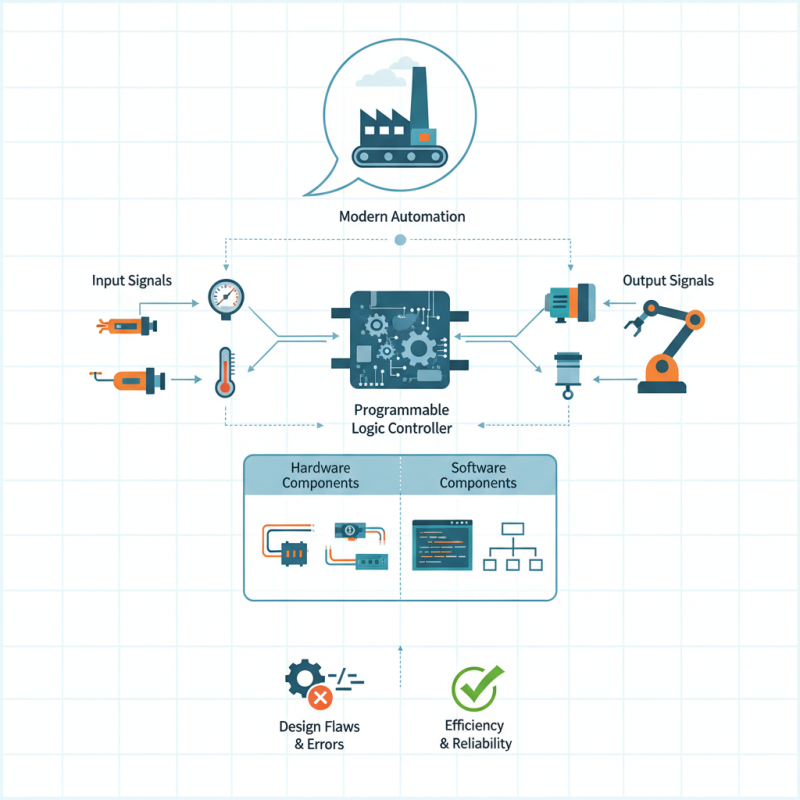
What is a PLC Control System?
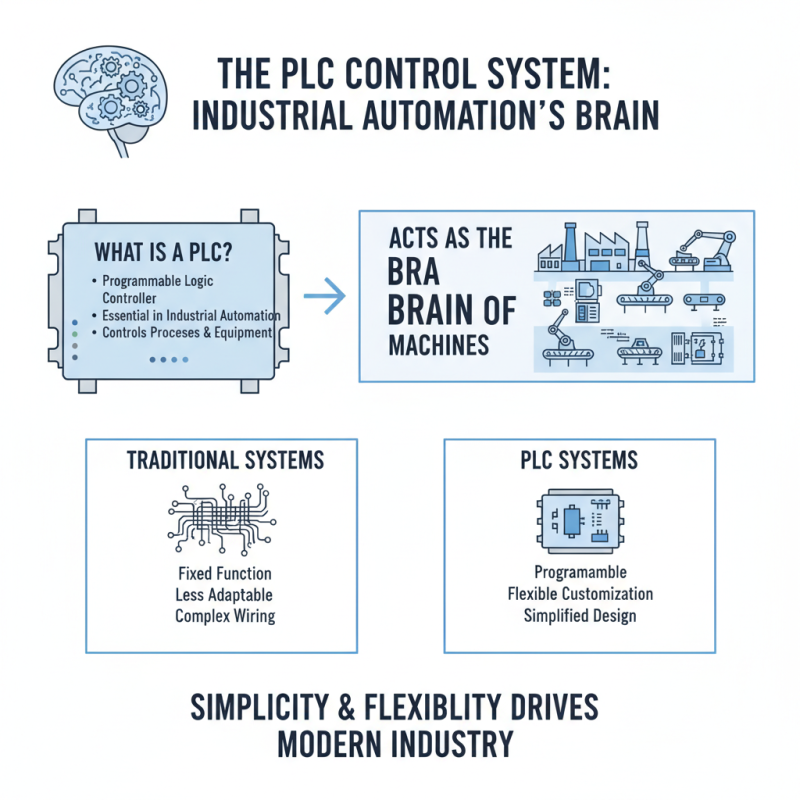
A PLC (Programmable Logic Controller) control system is essential in industrial automation. It acts as the brain of machines, controlling processes and equipment. The design of PLCs reflects simplicity and flexibility. Unlike traditional systems, they are programmable, which allows customization for various tasks.
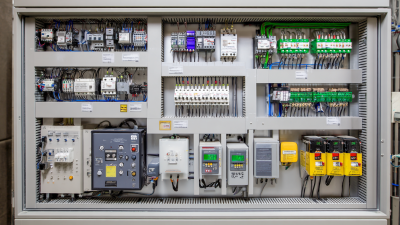
In essence, a PLC consists of hardware and software. The hardware includes a central processing unit (CPU), input/output modules, and power supplies. The CPU processes information and executes control instructions. Input/output modules connect sensors and actuators to the PLC. This setup enables real-time monitoring and control of processes.
PLC systems can be complex. The programming can sometimes be challenging. Mistakes in the coding phase may lead to operational failures. Additionally, ensuring compatibility with existing equipment may require extensive planning. Users may struggle with debugging the system or maintaining it over time. Such challenges are vital to consider when implementing a PLC system.
Key Components of a PLC Control System
A PLC (Programmable Logic Controller) control system is essential in automation. It involves various key components that work together to ensure efficient control of industrial processes. One primary component is the central processing unit (CPU). The CPU interprets user-defined programs and executes control functions. It's the brain of the system, but sometimes it may not handle complex tasks well. This lack of flexibility can be a common issue.
Input and output modules (I/O) connect the PLC to the external environment. Input modules receive signals from sensors or switches, while output modules send commands to actuators or motors. Proper configuration is crucial here. Miswiring can lead to system failures, causing costly downtime. Users often underestimate this step, leading to frustration later.
Another critical part is the programming software. It allows users to create and modify control programs. However, mastering this software can be challenging for beginners. The learning curve can be steep. Many users report confusion over programming languages. This can hamper effective use of the PLC. Addressing these challenges is necessary for optimal operation, yet many organizations overlook training and support.
How PLCs Receive and Process Input Signals
Programmable Logic Controllers (PLCs) are vital for modern automation. Understanding how they receive and process input signals is essential. A PLC collects various signals from sensors and switches in industrial settings. These signals can be digital or analog.
When an input signal is sent, the PLC’s CPU reads it. This step translates the signal into binary code. Sensors might detect temperature, pressure, or motion. Each input provides crucial data for the controller. The data helps in making decisions based on pre-defined logic.
Processing signals involves a series of calculations. The CPU evaluates each input against the programmed logic. Sometimes, errors may arise during this phase. For instance, a faulty sensor could send inaccurate data. This can lead to unexpected outputs. These challenges highlight the need for regular system checks. Even minor flaws in input processing can disrupt entire operations. Monitoring and refining these processes is crucial for efficiency.
What is a PLC Control System and How Does it Work? - How PLCs Receive and Process Input Signals
| Input Signal Type |
Description |
Processing Method |
Output Result |
| Digital Input |
Binary signals representing ON/OFF states (e.g., limit switches) |
Read state; execute logic based on programmed conditions |
Control devices (e.g., activating a motor) |
| Analog Input |
Continuous signals representing variable values (e.g., temperature, pressure) |
Convert to digital value; analyze and compare against setpoints |
Adjust outputs (e.g., control valve position) |
| Pulse Input |
Countable pulses from devices (e.g., encoders) |
Count pulses and track position or speed |
Provide positional feedback for servo systems |
| Temperature Sensor Input |
Temperature data from thermocouples or RTDs |
Read and process temperature signal for control logic |
Regulate heating or cooling systems |
The Role of Programming in PLC Functionality
A PLC control system relies heavily on programming to perform its functions effectively. PLCs, or Programmable Logic Controllers, are used in industrial automation. They execute specific tasks based on programmed instructions. This functionality begins with defining the control processes through programming languages like ladder logic or functional block diagrams. The precision of these programming languages is crucial to their success in controlling machinery and systems.
Programming dictates how a PLC reacts to inputs from sensors or switches. These inputs determine the PLC's output actions, such as starting a motor or triggering an alarm. The programming stage is not just about writing code; it includes testing and refining logic to ensure reliability. Debugging is an integral part of the process; even small errors can lead to significant failures in operations.
Tips: Regularly revisit the code to look for improvement opportunities. Ask colleagues for feedback on the logic structure. Consider using simulations to visualize code behavior before deploying it in the real world. Mistakes can help refine the process—embrace them. Reviewing old projects can also provide valuable insights for future programming tasks.
Applications and Benefits of PLC Control Systems
PLC control systems have found extensive applications across various industries. According to a recent market report, the global PLC market is expected to grow at a CAGR of over 6% from 2022 to 2028. This growth is driven by increasing automation in manufacturing processes. Industries such as automotive, food and beverage, and pharmaceuticals heavily rely on PLCs for efficient operation.
Benefits of PLC control systems are significant. They enhance reliability and reduce downtime. For instance, a study revealed that automation with PLCs can decrease production cycle time by up to 30%. This improvement is crucial for companies aiming to optimize productivity. Moreover, PLCs offer scalability. Businesses can easily expand their systems as needs evolve. However, challenges exist, such as initial setup costs and the need for skilled personnel to manage these systems.
With remote monitoring capabilities, PLCs allow real-time adjustments. This reduces waste and improves resource management. However, cybersecurity risks are a concern. Many companies overlook the importance of securing their systems from potential threats. Addressing these vulnerabilities is essential for maintaining operational integrity. Overall, PLC control systems streamline processes while presenting certain challenges that require ongoing evaluation.