What is a Regulated Power Supply and Why is it Important?
In the world of electronics, a Regulated Power Supply is crucial for ensuring devices function correctly. According to Dr. Emily Carter, an expert in electrical engineering, "The precision of a Regulated Power Supply shapes the efficiency of every electronic system." Her insights highlight the importance of stability in power delivery.
These power supplies maintain a constant output voltage, regardless of variations in input voltage or load conditions. This consistency is vital for sensitive electronics that require reliable operation. Without a regulated system, devices can experience malfunctions or even damage from voltage fluctuations.
Moreover, the design of a Regulated Power Supply can be complex. Engineers must consider factors like efficiency and thermal management. Many devices still struggle with these challenges. Reflecting on advancements, the industry faces both triumphs and setbacks. It’s clear that while progress exists, there is always room for improvement in understanding and implementing regulated systems effectively.
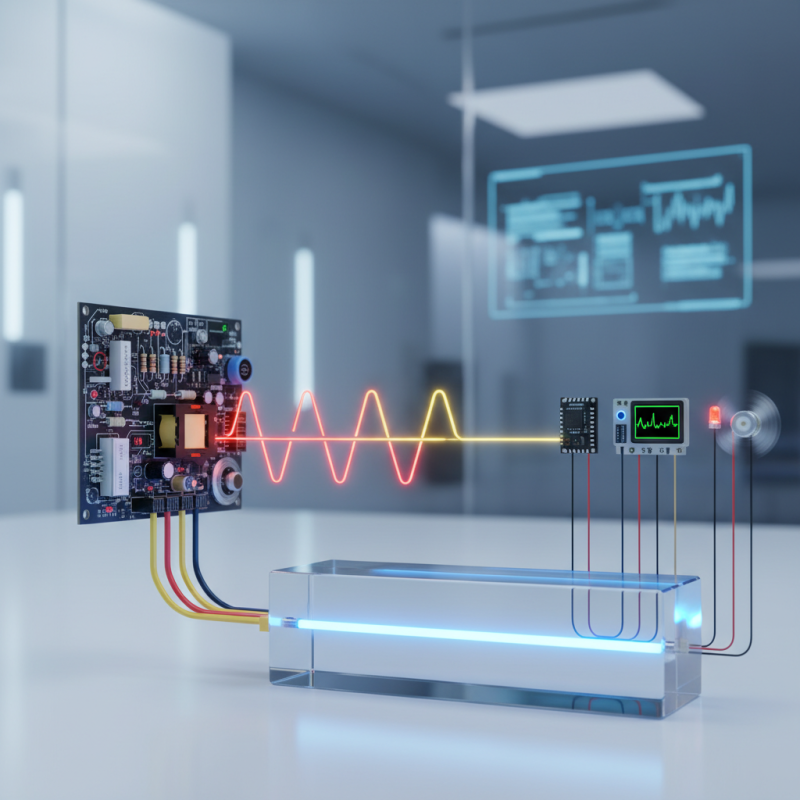
What is a Regulated Power Supply?
A regulated power supply is an essential component in many electronic devices. It provides a stable voltage that is crucial for the proper functioning of circuits. Unlike unregulated supplies, regulated ones maintain output voltage even when input voltage fluctuates. This stability prevents damage to sensitive components.
These supplies include feedback mechanisms to monitor output. If the voltage drifts, the system corrects it automatically. This feature enhances reliability. For example, in a complex circuit, even small voltage changes can lead to malfunction. With a regulated supply, devices operate as intended, ensuring performance.
However, not all applications require a regulated supply. For simpler devices, an unregulated one may suffice. This choice often reflects a compromise between cost and performance. It's important to analyze specific needs to decide the best option. Understanding this balance is key to effective design.
Key Components of a Regulated Power Supply
A regulated power supply is essential in many electronic applications. Its main goal is to provide a stable output voltage. This stability is vital for sensitive devices, preventing damage and ensuring correct operation.
Key components of a regulated power supply include voltage regulators, transformers, and filters. Voltage regulators are crucial. They maintain the output voltage within a specified range. Without them, fluctuations in input voltage can lead to malfunction. Transformers adjust the input voltage to a usable level. They play a significant role in daily operations. Filters help remove noise and ripple, ensuring a clean output.
Designing a regulated power supply can be challenging. One must consider the load requirements thoroughly. Miscalculations can lead to inefficiencies. In some cases, designers overlook the importance of proper heat dissipation. This oversight can cause components to fail prematurely. A well-designed system should balance performance with reliability, but achieving this balance is often a complex task.
How Regulated Power Supplies Work
Regulated power supplies play a crucial role in various electronic applications. They provide a stable voltage output, which is essential for sensitive equipment. Without regulation, voltage fluctuations can lead to performance issues or device failures. In fact, reports suggest that improper voltage levels cause nearly 30% of electronic equipment failures in industrial settings.
How do regulated power supplies work? They employ a feedback mechanism to adjust the output voltage. When the output voltage fluctuates, the regulator detects this change and compensates accordingly. This keeps the voltage within the desired range. Most regulated supplies use linear or switching methods, each with its advantages. Linear regulators are simple but can be inefficient, while switching supplies are often more efficient but can introduce noise.
Despite their importance, regulated power supplies are not without flaws. They may fail due to component aging or overheating. Studies indicate that about 15% of power supply failures arise from thermal issues. It's essential to consider these factors when designing electronic systems. Ensuring proper heat dissipation can significantly enhance reliability.
Benefits of Using Regulated Power Supplies
Regulated power supplies are essential in many electronic applications. They provide a stable output voltage despite variations in input voltage or load conditions. This stability is crucial for sensitive devices that need consistent power levels. Without regulation, fluctuations can lead to malfunction or damage.
Using regulated power supplies offers several benefits. They reduce the risk of electrical noise, which can interfere with the performance of sensitive equipment. A regulated supply ensures that devices receive clean, reliable power. Additionally, they improve efficiency by minimizing energy loss. This translates into lower operational costs over time.
However, there are challenges. Some regulated supplies can generate heat, requiring adequate cooling. They also may add complexity to the circuit design. Finding the right balance between performance and simplicity is essential. While the advantages are clear, it’s crucial to consider these drawbacks when integrating regulated power supplies into systems.
What is a Regulated Power Supply and Why is it Important?
| Feature | Description | Benefits |
| Voltage Regulation | Maintains a constant output voltage despite variations in input voltage or load conditions. | Ensures precise operation of connected devices, improving reliability. |
| Current Limiting | Protects against overload conditions by limiting output current. | Prevents damage to devices due to excessive current, enhancing safety. |
| Low Noise | Reduces electrical noise in the output signal. | Improves performance for sensitive electronic applications such as audio and RF systems. |
| Thermal Management | Includes features that manage heat generation and dissipation. | Enhances efficiency and extends the lifespan of the power supply and connected equipment. |
| Regulation Techniques | Utilizes linear or switching techniques for voltage regulation. | Allows for versatile design options based on application requirements. |
Common Applications of Regulated Power Supplies
Regulated power supplies play a vital role in numerous applications. Their primary function is to provide a stable voltage output. This stability is essential for sensitive electronics, such as computers and medical devices. A report from the International Power Supply Association notes that over 70% of electronic failures are due to power supply issues.
Common applications include telecommunications, where reliable operation is crucial. In this field, even brief power fluctuations can lead to data loss or damage. Additionally, in the automotive sector, regulated power supplies ensure that safety systems operate optimally. An estimated 65% of modern vehicles utilize some form of regulated power supply for their electronic features.
Tip: When selecting a regulated power supply, consider both the output voltage and current ratings. Ensuring compatibility with your device is critical.
Another application is in industrial automation. Regulated supplies help maintain performance in robotic systems, where precision is key. According to industry surveys, around 55% of manufacturing defects are linked to power quality.
Tip: Regular maintenance of your power supply can enhance its performance and extend its lifespan. It's a small action that can yield significant results.

