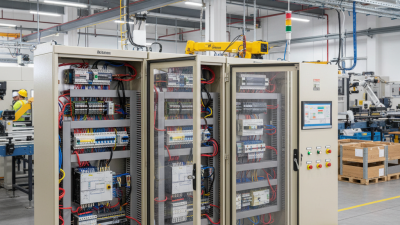
Effective Manufacturing Control Systems Tips for Success?

In today's competitive landscape, effective manufacturing control systems are essential for success. These systems manage the production process, ensuring efficiency and quality. However, many companies still face challenges. They may struggle with integration, data accuracy, or employee training.

Successful manufacturing control systems require careful planning and execution. Organizations must assess their current processes and identify areas for improvement. Often, businesses overlook the significance of real-time data. Without timely information, decision-making suffers. In addition, employee engagement plays a crucial role. Workers need the right tools and training to adapt.

Reflecting on these points can reveal gaps in a company's strategy. Many might feel overwhelmed by the complexity of implementing new systems. Yet, embracing a continuous improvement mindset is vital. By doing so, businesses can enhance their manufacturing control systems and thrive in the market.

Effective Manufacturing Control Systems Tips for Success?

Understanding the Basics of Manufacturing Control Systems
Effective Manufacturing Control Systems Tips for Success?

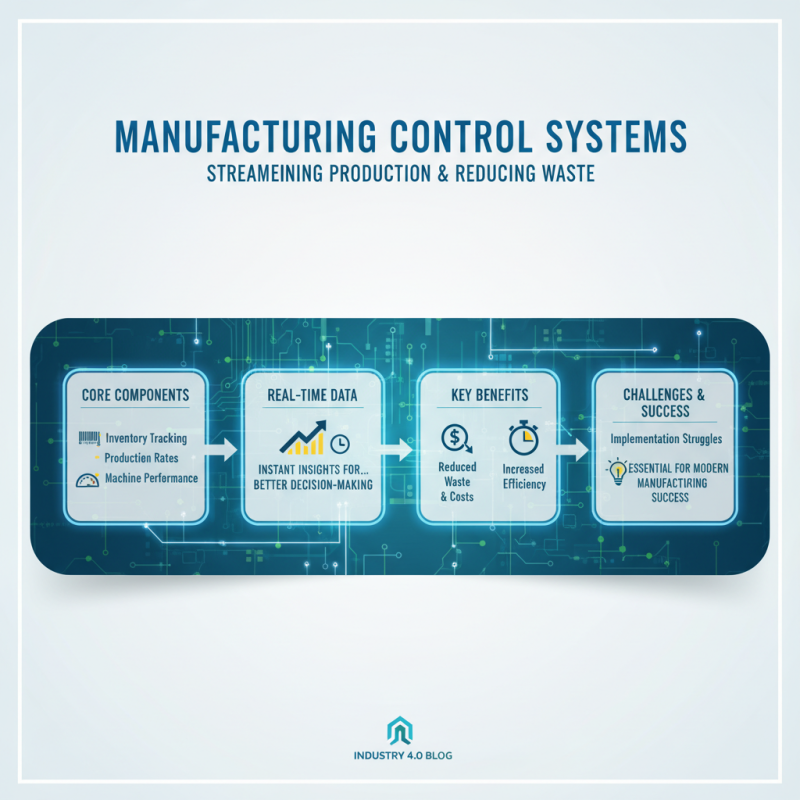
Manufacturing control systems form the backbone of efficient production processes. They help streamline operations and reduce waste. Understanding the core components is essential for success. These systems track inventory levels, production rates, and machine performance. They provide real-time data that can inform better decision-making. However, many manufacturers still struggle with implementation.

A common mistake is neglecting employee training. Workers should understand how to use the system effectively. Without proper training, data may be misinterpreted. This can lead to costly errors. Additionally, relying solely on automated systems can be problematic. Human oversight remains crucial in identifying anomalies. It's essential to find a balance between technology and human intuition.

Moreover, integrating various software and hardware can present challenges. Systems need to communicate seamlessly for optimal performance. Incompatible platforms may hinder efficiency. Regularly reviewing and updating these systems is vital. Failure to adapt can slow down progress. Manufacturers must remain open to change and improvement. Reflecting on past experiences helps to refine control strategies.
Key Components of an Effective Manufacturing Control System

Effective Manufacturing Control Systems Tips for Success?

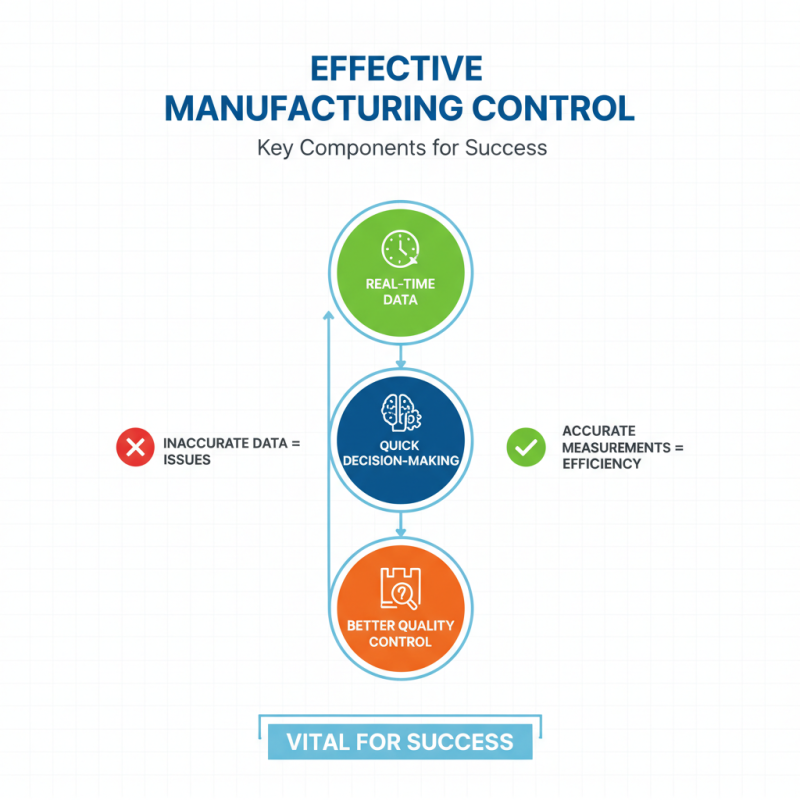
An effective manufacturing control system is vital for success. Key components play a significant role in its efficiency. Real-time data is essential. It allows for quick decision-making. If the data is inaccurate, issues arise. Accurate measurements ensure better quality control.

Automation is another critical aspect. It reduces human error and speeds up processes. However, not all systems are flawless. Integration is sometimes a challenge. Old machinery may not connect well with new technology. This can create delays in production.

Training staff is crucial too. Without adequate knowledge, the system won't perform well. Employees need to understand how to use tools effectively. Occasionally, gaps in training lead to misuse. Regular assessments can identify these weaknesses. Continuous improvement is the goal. Small adjustments can lead to significant results in the long run.

Best Practices for Implementing Manufacturing Control Systems

Implementing effective manufacturing control systems requires a strategic approach. One key practice is to establish clear performance metrics. These metrics guide the team in meeting production goals. Without clear indicators, it’s easy to lose focus.

Next, invest in staff training. A well-trained team can adapt to control systems quickly. They can spot inefficiencies and suggest improvements. Regular training ensures everyone is up to date. However, be aware that not all employees may embrace new technologies immediately. This resistance can slow down progress.

In addition, continuous monitoring is crucial. Analyze production data frequently. Look for patterns that indicate delays or excess waste. This reflection allows for timely adjustments. Also, remember that not all changes yield positive results. Some might require revisiting and refinements. Embrace these challenges as part of the journey toward an effective manufacturing control system.

Effective Manufacturing Control Systems - Best Practices

Measuring Success: KPIs for Manufacturing Control Efficiency

Measuring success in manufacturing requires a robust set of Key Performance Indicators (KPIs). These metrics provide insights into operational efficiency and help identify areas for improvement. According to a study from the Manufacturing Performance Institute, organizations that actively monitor KPIs can improve productivity by up to 20%. This data highlights the importance of setting specific, measurable goals.

Common KPIs for manufacturing control include cycle time, yield rates, and overall equipment effectiveness (OEE). Monitoring cycle time helps to identify bottlenecks. For instance, reducing cycle time by just 15% can lead to significant cost savings. Yield rates focus on quality, ensuring that the products meet defined standards. Inconsistent yield rates often signal deeper issues in the production process that warrant immediate attention.

However, not all KPIs yield clear insights. Some manufacturers may overemphasize quantity over quality, leading to increased defects. Feedback from frontline workers is crucial but often overlooked. Transitioning to a more holistic approach means considering both quantitative and qualitative data. Emphasizing a balance can lead to meaningful improvements in efficiency and employee satisfaction.

Common Challenges in Manufacturing Control and Solutions

Managing a manufacturing control system is complex. One common challenge is data accuracy. Incorrect data can lead to poor decision-making. Many companies struggle with integrating different data sources. This can create confusion and slow down operations. It is crucial to establish a single source of truth for data. This means streamlining data collection methods to enhance reliability.

Another challenge is employee training. Employees may lack the skills needed to operate new systems effectively. This skill gap can cause delays and errors in production. Regular training sessions can help bridge this gap. It is essential to create a culture of continuous improvement. Workers should feel comfortable asking questions and seeking help.

Furthermore, machinery breakdowns can disrupt production. Frequent maintenance checks can prevent unexpected failures. But, many companies ignore preventative measures until it’s too late. A proactive approach is necessary to keep equipment running smoothly. Keeping track of machine performance data can also guide improvements. Smaller issues, if overlooked, can escalate into major problems.

Effective Manufacturing Control Systems Tips for Success? - Common Challenges in Manufacturing Control and Solutions

Challenge Impact Solution Best Practice
Inefficient Communication Delays in production, increased errors Implement real-time communication tools Regular team meetings and updates
Lack of Data Visibility Poor decision-making, inefficiencies Adopt comprehensive data tracking systems Establish key performance indicators (KPIs)
Inconsistent Quality Control Increased waste, customer dissatisfaction Standardize quality check processes Frequent audits and training sessions
Resource Allocation Issues Overworking of staff and machinery Utilize advanced planning and scheduling software Analyze workload and capacity regularly
Difficulty in Scalability Inability to meet market demand Invest in scalable technology solutions Plan for growth with flexible operations
Scroll to Top