Top 10 Electrical Power Distribution Panels for Your Business Needs?
In today's rapidly evolving industrial landscape, the importance of electrical power distribution panels cannot be overstated. According to a recent report by MarketsandMarkets, the global electrical distribution panel market is projected to reach USD 83.4 billion by 2025, indicating a significant growth driven by the need for efficient power management. The demand for high-quality electrical power distribution panels has never been higher, as businesses strive for reliability and safety in their electrical systems.
Expert Mark Reynolds, a leading figure in electrical engineering, emphasizes, "Choosing the right electrical power distribution panel ensures operational efficiency and minimizes downtime." This statement underscores the critical nature of selecting appropriate equipment. As organizations expand, the choice of distribution panels directly impacts their energy management strategy.
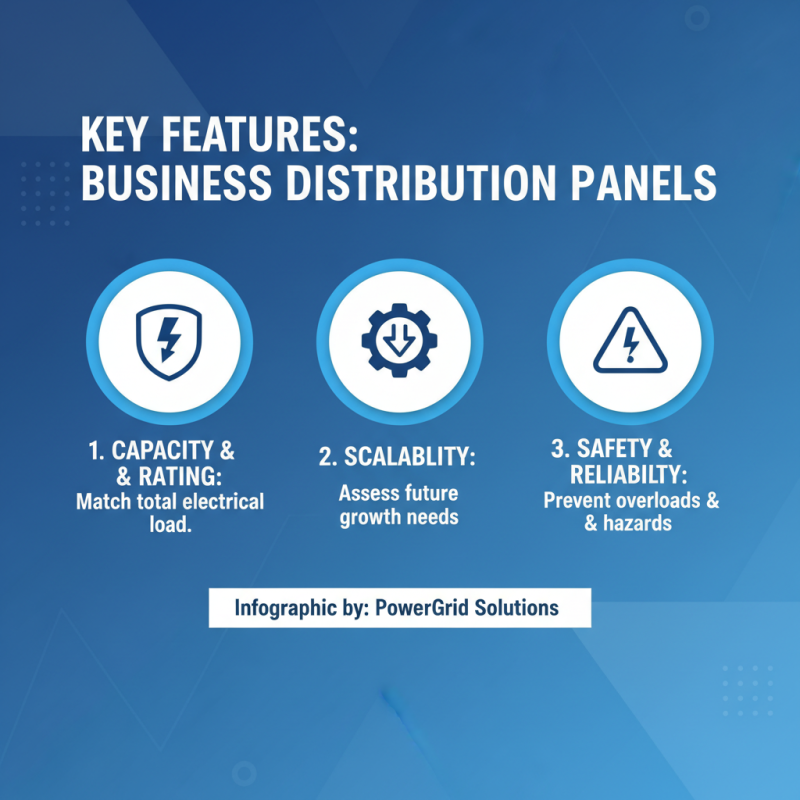
However, not all panels are created equal. Many business owners may overlook essential factors, resulting in costly mistakes. The right electrical power distribution panel not only supports current loads but also accommodates future needs. Exploring various options is vital to ensure both compliance and efficiency in your operations. The right choice can lead to enhanced productivity and reduced operational risks.
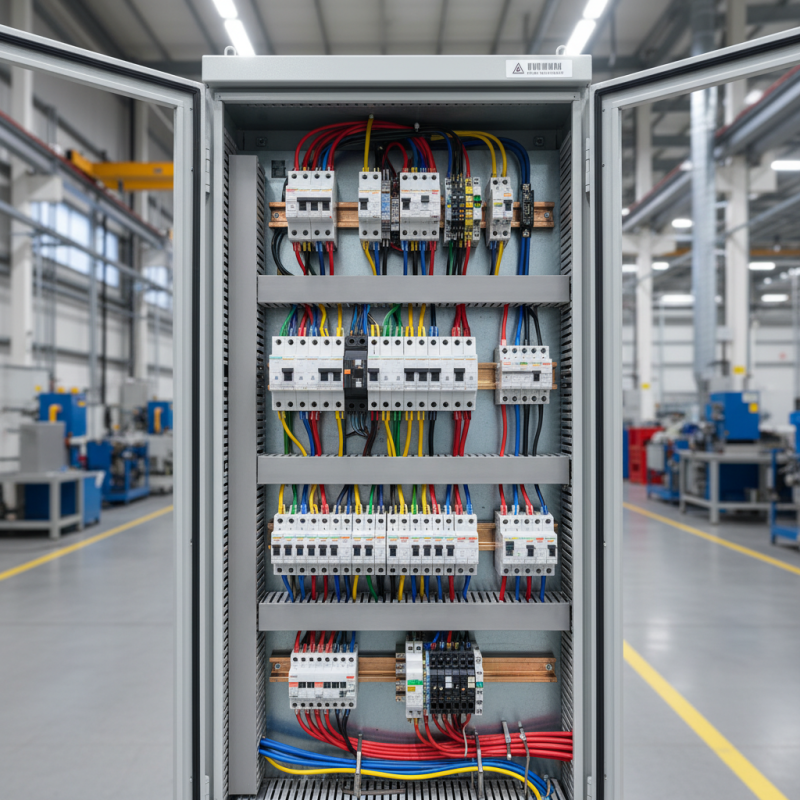
Understanding Electrical Power Distribution Panels and Their Importance
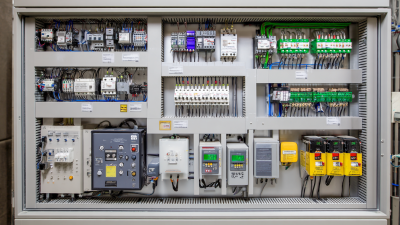
Electrical power distribution panels play a crucial role in any business. They manage and disperse electrical energy throughout a facility. These panels ensure a reliable power supply, which is essential for operational efficiency. Without a robust distribution panel, businesses face potential outages and equipment damage.
Industry reports highlight that about 30% of electrical failures stem from poor distribution panel management. Regular maintenance and inspections can reduce this risk significantly. For instance, the National Fire Protection Association (NFPA) states that nearly 50% of electrical fires start due to faulty wiring or distribution systems. This data underscores the importance of investing in high-quality panels.
Choosing the right distribution panel is challenging. Factors like capacity, location, and load distribution must be considered. The choice impacts operational costs and safety. Many businesses overlook their existing power demands, leading to inadequate power distribution. As energy needs grow, it’s vital to reassess and upgrade these systems. Complacency in this area could result in costly downtime or even worse, safety hazards.
Comparison of Top 10 Electrical Power Distribution Panels on the Market
When selecting electrical power distribution panels, it's crucial to understand their functionalities and efficiency. Recent industry reports indicate that a well-designed distribution panel can improve energy efficiency by up to 30%. This is essential for businesses looking to reduce operational costs. Many panels also enhance safety features, including overload protection and circuit breakers, which protect against fire hazards.
The market offers a variety of options, each with unique specifications. For instance, some panels focus on modular design, allowing for easy upgrades. Others emphasize durability, providing robust materials that withstand harsh conditions. However, not all panels are created equal. Some may lack sufficient documentation or support, leading businesses to face challenges during installation or maintenance.
Moreover, industry trends show a growing emphasis on smart technology integration. Advanced panels can now monitor energy usage in real-time, providing valuable data for optimization. Yet, this technology can introduce complexity. It requires knowledgeable staff for management and troubleshooting. Businesses must weigh the benefits against the challenges of adopting such innovations, ensuring they choose a solution that aligns with their operational needs.
Installation Requirements and Best Practices for Power Distribution Panels
When planning the installation of power distribution panels, understanding local regulations is crucial. Specific codes vary by region, impacting panel design and placement. For instance, the National Electrical Code (NEC) outlines essential safety measures that must be followed. Failing to adhere can lead to dangerous situations and increased liability.
Correct installation is not just about compliance; it affects performance. Following the guidelines from the Electric Power Research Institute (EPRI), a well-installed panel can reduce energy losses by up to 30%. Choosing the right location for the panel is critical. It should be easily accessible for maintenance, away from hazardous areas, and not obstructed. Ensuring proper grounding and bonding is also essential to prevent electrical faults.
Consider the environment where the panel will be installed. Moisture, dust, and temperature can impact functionality. Choosing panels rated for specific conditions can enhance reliability. Regular inspections and maintenance should never be overlooked. Data from the Institute of Electrical and Electronics Engineers (IEEE) shows that routine checks can halve the chances of unexpected failures. This proactive approach can save businesses significant downtime and repair costs.
Top 10 Electrical Power Distribution Panels for Your Business Needs
| Panel Type |
Voltage Rating |
Amperage |
Phase |
Installation Type |
Best For |
| Commercial Panel |
208/120V |
200A |
3-Phase |
Flush Mounted |
Medium Businesses |
| Residential Panel |
240/120V |
100A |
Single-Phase |
Surface Mounted |
Homes |
| Heavy Duty Panel |
480/277V |
400A |
3-Phase |
Flush Mounted |
Manufacturing Plants |
| Generator Panel |
240/120V |
50A |
Single-Phase |
Surface Mounted |
Residential Backup |
| Data Center Panel |
208/120V |
300A |
3-Phase |
Flush Mounted |
Data Centers |
| Modular Panel |
400V |
250A |
3-Phase |
Modular Setup |
Flexible Industries |
| Smart Distribution Panel |
240/120V |
200A |
Single-Phase |
Surface Mounted |
Smart Homes |
| Outdoor Panel |
120/240V |
60A |
Single-Phase |
Weatherproof |
Outdoor Installations |
| Industrial Control Panel |
480V |
600A |
3-Phase |
Flush Mounted |
Factories |
| Power Factor Panel |
400V |
500A |
3-Phase |
Modular Setup |
Energy Management |
Maintenance and Troubleshooting Tips for Electrical Distribution Systems
Maintaining electrical distribution systems is crucial for smooth operations. Regular inspections can prevent costly downtime.
Check connections and cables for wear and tear. Loose connections can cause overheating. Ensure that your panels are clean and free of dust. Dust can build up and pose a fire hazard.
Troubleshooting issues requires a systematic approach. Begin by checking circuit breakers. If a breaker flips, it may indicate overload or a short circuit. Use a multimeter to test voltage levels.
Low voltage can signal a problem in the distribution panel. Observe any unusual sounds, such as buzzing.
These sounds can indicate underlying issues that need addressing.
Reflect on maintenance practices. Are you adhering to scheduled inspections? Overlooked panels can lead to significant problems.
Being proactive is key. Document any repairs or inspections for future reference. This practice creates a history that can guide troubleshooting efforts.
Always prioritize safety. Wear protective gear when working on electrical systems.