
Top 10 Hotel DND Signs for Global Buyers?
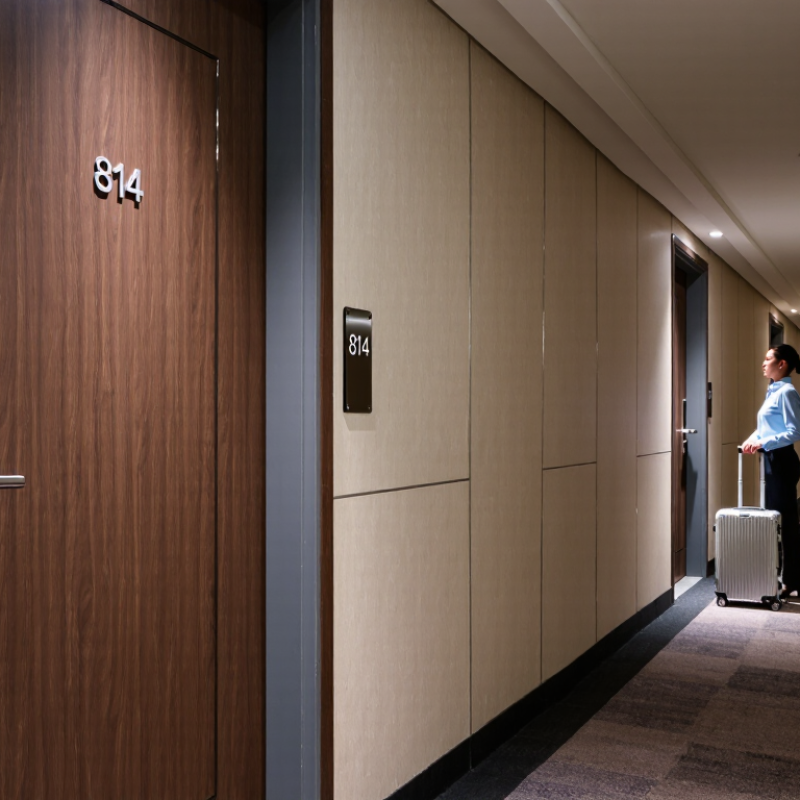
A guest pauses outside room 814, balancing a suitcase while checking a small door sign. The message should be clear at a glance. For global buyers, Hotel Dnd Signs are more than decorative accessories: they help communicate guest preferences, support housekeeping routines, and shape the hotel’s visual identity. A sign that curls at the edge, uses faint lettering, or hides its message can create avoidable confusion. Small details matter.
Don Norman, a design researcher and author, observed, “Good design is actually a lot harder to notice than poor design.” That idea fits door signage well. The best sign often feels simple because its wording, contrast, size, and materials work together without demanding attention. Buyers should consider how signs perform under warm corridor lighting, frequent handling, and daily cleaning. They should also check whether wording and symbols remain easy to understand across languages and cultures.
This guide explores ten Hotel Dnd Signs for buyers comparing style, durability, and practical use. Options may include reversible signs, clear text layouts, and finishes suited to different hotel interiors. No single design fits every property. A boutique inn may favor a quiet, tactile finish; a busy city hotel may need bold, readable lettering. There are trade-offs. Some attractive materials show scratches quickly, while some highly visible designs may feel out of place in a calm guest room. Compare samples in real lighting, test the hanging method, and review the message before ordering in quantity. A little scrutiny helps prevent a costly mismatch.
What Hotel Do Not Disturb Signs Are and How They Work
A hotel Do Not Disturb sign is a guest-controlled notice, usually hung on the outside door handle. It tells staff that the guest prefers not to be interrupted. Some hotels also use a bedside button or a room-control panel. The purpose is simple. The signal helps housekeeping and other staff coordinate visits, but it does not replace a hotel’s own procedures for urgent situations.
When staff see the sign, they generally postpone routine tasks such as room cleaning or towel delivery. A clear design matters: readable lettering, familiar symbols, and strong contrast help guests and employees understand it quickly. For international guests, paired text and a simple icon can reduce confusion. A durable card or flexible plastic hanger can withstand repeated handling, though the best choice depends on the hotel’s room setup and cleaning routine.
Details can be easy to overlook. A sign that slips off a rounded handle may communicate nothing, while one with tiny print may be unreadable from the hallway. Some signs include a second message, such as “Please Make Up Room,” allowing guests to change their request. Still, staff may not notice the reverse side. A sign is a useful cue, not a perfect system; hotels should explain how requests are handled and train staff to follow consistent procedures.

Common Types of Hotel DND Signs for Guest Rooms
A door-hanger sign is the familiar choice: lightweight, visible, and easy to replace. One side requests privacy; the reverse can invite housekeeping service. Yet a hanger may slip from a handle or disappear into a corridor. Small detail, real consequence. A flat card offers another low-cost option, though guests must place it where staff can see it clearly. For hotels with frequent room turnover, consistent wording and readable contrast matter more than decorative design.
Reversible signs and sliding door indicators make the guest’s choice especially clear. A slider mounted near the handle can show “Do Not Disturb” or “Make Up Room” without removing anything. Some properties use electronic room indicators linked to the guest-room system; these can reduce ambiguity, but depend on working hardware and staff training. AHLA’s 2024 State of the Industry report found that 76% of surveyed hotels reported staffing shortages. That figure does not prove signs solve labor pressures, but clear signals may help teams avoid unnecessary knocks and repeated visits. The imperfect part: even a well-designed sign cannot replace a reliable process for checking room status. Choose a format guests can understand at a glance, including older visitors and people unfamiliar with local wording.
Top 10 Hotel DND Signs for Global Buyers
Common DND sign formats for guest rooms, grouped by how they are displayed. The chart is a category guide, not a market-share ranking.
Door hangers and handle tags hang from the room door; wall-mounted and magnetic signs attach to a surface; electronic indicators display room status outside the guest room.
Materials, Designs, and Features of DND Signs
A hotel DND sign must survive daily handling, cleaning, and hurried placement. For frequent use, laminated card or synthetic paper resists splashes better than uncoated stock. Recycled paper feels warmer, but its edges may soften near bathroom doors. Thin plastic lasts longer, though it can look cheap under bright corridor lights. Small detail, big impression. Choose rounded corners, a readable typeface, and a cord or hanger that fits the door hardware. A sign that slips off overnight is not useful, however attractive its artwork.
Design affects whether guests notice and understand the message. Use “Do Not Disturb” as the clearest headline, with a contrasting reverse side for service requests. Keep icons secondary; not every guest reads symbols the same way. A 2008 Journal of Consumer Research study by Goldstein, Cialdini, and Griskevicius found that hotel towel-reuse messaging increased reuse from 35.1% to 44.1% when it referenced other guests’ behavior. That study examined towels, not DND signs, so it should not be treated as direct proof. Still, it shows that concise, well-placed hotel messages can influence choices. Test sign legibility from the corridor, then check whether guests actually use both sides. Sometimes the cord is the weak point.
Top 10 Hotel DND Signs for Global Buyers
For global buyers, the best hotel do-not-disturb signs combine clear meaning with practical construction. Consider a classic door hanger, a rigid plastic hanger, a lightweight card, a wooden plaque, and a fabric sign. Each suits a different room style and budget. A reversible design can show “Do Not Disturb” on one side and “Please Make Up Room” on the other. Useful, and easy to understand.
Other options include bilingual text, large pictograms, high-contrast lettering, and a sign with a wide door handle slot. These features help guests read the message quickly, even in dim corridors. Keep wording simple, and check that translations have been reviewed by fluent speakers. Symbols alone may not work equally well for every guest. That deserves a second look.
Before placing a bulk order, test samples on actual hotel doors. Check whether the hanger slips, curls, or blocks the handle. Wipe the surface with the cleaning products staff already use, then inspect it for fading or damage. Small details matter. Recycled paper can reduce material use, but it may wear out faster in humid rooms. There is no perfect option. Choose based on room conditions, guest needs, and replacement costs, not appearance alone.
Top 10 Hotel DND Signs for Global Buyers? - Top 10 Hotel DND Signs for Global Buyers
| No. | DND Sign Type | Common Format | Typical Material | Suitable Use | Buyer Considerations |
|---|---|---|---|---|---|
| 1 | Classic Door-Hanger Card | Die-cut hanger with a door-handle slot | Coated paperboard or laminated card | Guest rooms and short-stay accommodation | Lightweight and economical; confirm the slot fits the door handle and choose a finish that resists everyday handling. |
| 2 | Plastic Door Hanger | Reusable, die-cut hanger | Polypropylene or other suitable plastic | Properties seeking a wipe-clean, reusable option | Check material thickness, edge finish, and resistance to bending. Ask about recycling options available in the destination market. |
| 3 | Rigid Printed Sign | Flat panel with a hanging hole or slot | Rigid plastic or laminated board | High-use rooms and longer-term installations | Consider panel weight, corner finishing, print durability, and whether the sign can be cleaned with the property’s usual products. |
| 4 | Double-Sided Message Hanger | Two-sided hanger with a different message on each face | Paperboard, laminated card, or plastic | Rooms where guests can also request service or housekeeping | Use clear, contrasting messages on both sides and check that the wording remains legible when the hanger is on the door. |
| 5 | Multilingual DND Sign | Door hanger with text in multiple languages | Coated or laminated card; plastic is also used | International hotels and destinations serving multilingual guests | Have translations reviewed by fluent speakers. Keep text concise and use consistent symbols to support quick understanding. |
| 6 | Icon-Based Sign | Door hanger or compact panel using pictograms | Printed paperboard, laminated card, or plastic | Properties with guests who speak different languages | Pair icons with short text where possible; symbols can be interpreted differently across cultures, so test them with users. |
| 7 | Window-Style Door Hanger | Hanger with a cut-out area that frames a message | Die-cut paperboard or plastic | Properties that want the selected message to be especially visible | Check that the message is easy to read from the corridor and that the cut-out does not weaken the hanger during use. |
| 8 | Foldable Door Hanger | Hinged or folded card with a larger printable area | Folded paperboard, often with a protective coating | Hotels that need additional guest instructions alongside the DND message | Review fold strength, print alignment, and whether the added information makes the sign difficult to read at a glance. |
| 9 | Reusable Writable Sign | Rigid hanger or panel with a designated writing area | Coated board or a compatible plastic surface | Properties that need to add a time, name, or short custom message | Confirm marker compatibility, erasing method, and stain resistance before ordering. Provide clear instructions for staff and guests. |
| 10 | Custom-Shaped Branded-Layout Sign | Custom die-cut hanger or panel | Paperboard, laminated card, or plastic | Hotels seeking a sign that matches their interior or visual identity | Request a production sample to check dimensions, color, readability, hanging fit, and finish before approving a larger order. |
Specifications vary by supplier and market. Confirm final dimensions, material composition, print durability, language requirements, and applicable local regulations before placing an order.
How to Evaluate Suppliers, Customization, and Compliance
Choosing hotel do-not-disturb signs starts with how they work in real rooms. Ask suppliers for samples, not just polished product photos. Check whether the hanger fits common door handles and stays visible from the corridor. A curled edge or weak cutout can make a sign fall overnight. Small details matter. Compare material thickness, print clarity, and resistance to routine cleaning. Request written specifications and a sample from the production batch when possible. I once underestimated how much glare could hide a message under hallway lighting; a quick room test would have caught it.
Customization should improve readability, not merely add decoration. Share the final wording, languages, logo files, and preferred dimensions before approving artwork. Ask for a digital proof and check punctuation, contrast, and both sides of the sign. For larger orders, confirm minimum quantities, lead times, packaging, and how defects are handled. Compliance needs careful review. Requirements can differ by destination, hotel policy, and accessibility expectations, so ask suppliers for material and safety documentation relevant to the intended market. Do not treat a supplier’s general claim as proof of local suitability. Keep records of approved artwork, specifications, and test results. One awkward point: customization may slow delivery, and rushing approval can create errors that are expensive to correct.

