Top Control Panels Trends for 2026 What Buyers Should Know
As we approach 2026, the landscape of control panels is set to evolve dramatically. According to a recent report by MarketsandMarkets, the global control panel market is projected to reach $26 billion by 2026, driven by automation and innovation. The increasing demand for energy efficiency and safety in industries like manufacturing and utilities highlights the critical role of modern control panels.
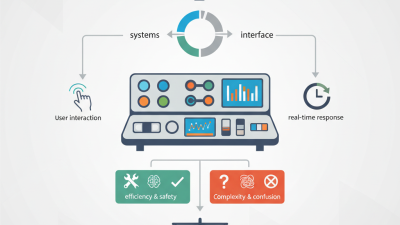
Innovative technologies are emerging, enabling advanced features in control panels. User-friendly interfaces and enhanced connectivity through IoT capabilities are becoming standard. This shift raises questions about the balance between technological advancement and user adaptability. While these improvements offer great potential, businesses must also reflect on the complexities they introduce.
Professionals in the industry understand the nuances behind new trends, from cybersecurity risks to regulatory compliance. Each advancement can present both opportunities and challenges. Buyers must be equipped with insight into these trends to make informed decisions. Control panels are more than just components; they are integral to operational success in diverse sectors.
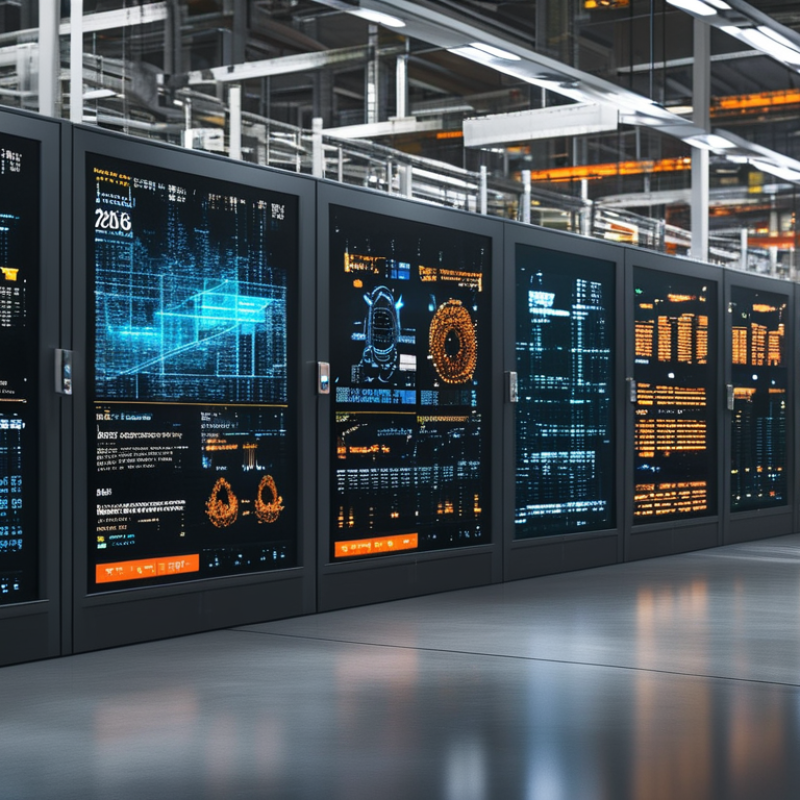
Emerging Technologies in Control Panels: A Look Ahead to 2026
As we look toward 2026, control panels are set to undergo significant transformations driven by emerging technologies. Industry reports suggest that the global control panel market will reach $20 billion by 2026, fueled by advancements in automation and digitalization. Specifically, the integration of artificial intelligence and machine learning is leading to smarter panels that enhance efficiency and reliability in various sectors, such as manufacturing and energy management.
Furthermore, the rise of IoT (Internet of Things) in control systems is reshaping how operators interact with their equipment. With over 75 billion connected devices expected by 2025, control panels will need to adapt to process real-time data from these devices effectively. This shift brings both opportunities and challenges. Users must consider the need for robust cybersecurity measures as interconnected systems become more prevalent.
In addition to technology integration, it’s crucial to acknowledge the skills gap in the workforce. Many technicians lack expertise in managing advanced control technologies. Reports indicate that nearly 50% of companies face challenges finding qualified personnel. This reality creates a need for continuous training and development, ensuring that the workforce can fully leverage these emerging technologies. The landscape of control panels is evolving, and buyers should prepare accordingly.
Market Forecast: Growth Projections and Demand for Control Panels
The control panel market is poised for significant growth through 2026. Industries are increasingly relying on automation, leading to heightened demand for advanced control systems. As businesses aim for efficiency, the right control panels can enhance operational effectiveness. This trend indicates a shift towards smart technologies that integrate with IoT, allowing for real-time monitoring and decision-making. Buyers should be aware that data security and ease of integration are top concerns in this evolving landscape.
Investment in user-friendly interfaces and custom solutions is essential. High demand exists for panels that offer flexibility in design and function. Manufacturers are focusing on reducing energy consumption, aligning with sustainability goals. Buyers often overlook the importance of supply chain reliability. Delays can significantly impact production timelines. Evaluating vendor stability is critical before making decisions. Emerging technologies will shape the future of control panels, making continuous research vital. Understanding these trends will help ensure successful investments.
Key Features and Innovations Buyers Should Prioritize in 2026
As we approach 2026, potential buyers of control panels should focus on critical features and innovations driving the industry. Reports suggest that smart technology integration is becoming commonplace. Approximately 70% of users prefer panels with IoT compatibility. These systems allow for real-time monitoring and remote management, streamlining operations across various sectors.
Another notable trend is the shift towards energy efficiency. A 2023 industry survey found that 65% of companies are prioritizing energy-saving technologies in their purchasing decisions. This should be a significant consideration for buyers. The integration of renewable energy sources, such as solar and wind, into control panel design is also gaining traction. Such features not only reduce carbon footprints but can lead to significant savings over time.
Customization remains a vital aspect. Buyers are expressing a stronger demand for panels that can be tailored to specific needs. A recent analysis highlighted that nearly 60% of organizations feel generic solutions fail to meet their operational challenges effectively. It's important to consider how adjusting features or design elements can enhance user experiences. Understanding these trends will empower buyers to make informed, strategic decisions in the evolving marketplace.
Environmental Sustainability Trends Shaping Control Panel Design
Environmental sustainability is transforming the design of control panels. As industries focus on eco-friendly practices, manufacturers are rethinking materials and processes. For instance, the use of recyclable components is becoming standard. This shift reduces waste and lessens the impact on the planet. It's not just about compliance; it's about commitment to sustainability.
Energy efficiency is another key trend. Control panels must consume less energy, and solutions like smart controls are ideal. These innovations optimize energy use, resulting in lower operational costs. Companies are investing in technologies that allow real-time monitoring. However, integrating such solutions can be challenging; it often requires significant upfront costs and training.
Manufacturers are also exploring more compact designs. Smaller control panels save space and resources. Yet, they must maintain functionality and reliability. The challenge lies in balancing size with performance. While advancements are evident, there is room for improvement. Sustainability is a journey, and the industry is still finding its way.
Top Control Panels Trends for 2026 What Buyers Should Know
| Trend |
Description |
Impact on Design |
Sustainability Benefits |
| Digitalization |
Integration of IoT and AI technologies for enhanced monitoring and control. |
More compact designs enabling remote data access and management. |
Improved energy efficiency and reduced waste through better resource management. |
| Modular Design |
Flexible configurations that allow for scalability and easy upgrades. |
Customizable sizes to fit various applications. |
Reduces material waste and promotes efficient manufacturing processes. |
| Energy Harvesting |
Utilization of renewable energy sources for powering control panels. |
Integration of solar cells and other renewable solutions. |
Lowers carbon footprint and operational costs. |
| Smart Materials |
Use of advanced materials that adapt to environmental conditions. |
Enhanced durability and performance in various temperatures. |
Promotes longevity and reduces the frequency of replacements. |
| Cybersecurity Integration |
Incorporation of advanced security measures in control panels. |
Designs that prioritize secure access and data protection. |
Increased trust and reliability in automated systems. |
The Role of Automation and AI in Future Control Panel Solutions
Automation and artificial intelligence (AI) are reshaping the landscape of control panels. Buyers should understand how these technologies enhance efficiency. Control panels integrated with AI can analyze data in real-time, optimizing processes. This leads to fewer errors and reduced downtime. Automation streamlines operations, allowing humans to focus on complex tasks.
However, the adoption of these technologies also presents challenges. Many companies face a steep learning curve in implementing AI-driven solutions. Not all staff may be prepared for this shift. Training is essential for maximizing the benefits of automation. Buyers should consider the long-term implications of integrating AI into control panels.
AI can also help predict maintenance needs through advanced analytics. This proactive approach can prevent costly shutdowns. Yet, reliance on technology raises questions about data security. As control panels become more connected, vulnerabilities may increase. Buyers must weigh the benefits against potential risks. Understanding both sides is crucial for informed decision-making.
Top Control Panels Trends for 2026
The chart above illustrates the top control panel trends expected for 2026, highlighting the increasing importance of automation and AI integration, along with other significant factors such as energy efficiency and IoT connectivity.