What Are the Top HMI Panel Suppliers in China?
China’s factory automation market gives hmi panel buyers a broad supplier field, but scale alone does not prove quality. International Federation of Robotics’ World Robotics 2024 report recorded 276,288 industrial robot installations in China in 2023, representing 51% of global installations. China’s National Bureau of Statistics reported that manufacturing value added grew 5.0% that year. These figures describe the automation environment, not HMI sales directly. That distinction matters.
This guide examines leading Chinese hmi panel suppliers through practical criteria: screen readability, touch response, PLC and SCADA compatibility, operating-temperature range, enclosure protection, and product support. A bright factory floor can expose weak contrast; a dusty workshop can test a panel’s seals. Specifications deserve close checking. Buyers should also review manuals, warranty terms, software updates, and the availability of replacement units. These details can be less visible than price or screen size, yet they shape long-term operating costs. Supplier claims should be verified against datasheets and, where possible, sample testing. No shortlist fits every project. Some public product information may also be incomplete or difficult to compare consistently. The following overview therefore offers a starting point for evaluating suppliers, not a substitute for technical qualification or direct procurement checks.
What HMI Panels Do in Industrial Automation
What HMI Panels Do in Industrial Automation
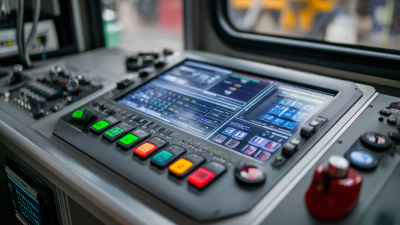
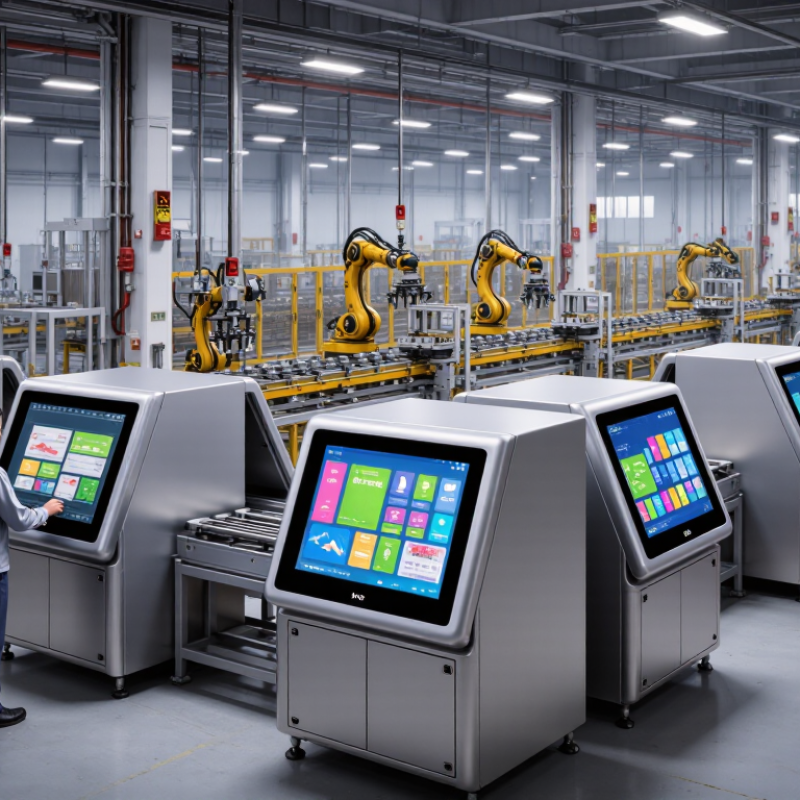
In industrial automation, an HMI panel gives operators a practical way to view machine status and issue commands. A touchscreen beside a packaging line might show conveyor speed, motor temperature, alarms, and batch progress. Instead of opening a cabinet to inspect indicators, an operator can spot a stalled sensor on one screen. Clear layouts reduce guesswork during routine shifts. Small details matter.
The panel also links people with the control system. It displays values collected from controllers, lets authorized users adjust approved settings, and records alarms or operator actions when configured to do so. This helps teams respond consistently and review recurring stops. Yet screen data is only as useful as its source. Poor tag naming, stale values, or confusing alarm priorities can mislead people; commissioning tests should verify what each screen actually represents.
Good HMI design keeps critical information visible without crowding the display. Use readable text, consistent units, and clear status colors, then test the screens with operators wearing gloves or working under bright factory lights. An HMI does not replace safe procedures or sound control logic. Not always. A panel can make a process look simple while hiding difficult maintenance questions. That deserves review before deployment.
How to Evaluate HMI Panel Suppliers in China
When comparing HMI panel suppliers in China, look beyond product photos and quoted prices. Check whether the supplier can match your screen size, brightness, touch type, operating temperature, and communication interfaces. Ask for a current datasheet and confirm that its figures apply to the exact model you plan to order. Small differences matter.
Request a sample and test it in realistic conditions. Run the display under bright workshop lighting, wear work gloves while using the touch screen, and check readability at the intended viewing angle. Inspect connector placement and mounting dimensions against your enclosure drawing. A sample test takes time, but it can reveal problems a catalog will not.
Ask how the supplier controls production changes, inspects finished units, and traces batches. Request relevant test records and quality documents, then verify that they cover the product and facility in question. Discuss firmware updates, replacement parts, warranty handling, and typical response times before signing an order. A factory tour can help, but it captures one day, not every production run. Communication deserves scrutiny too: unclear answers about lead times or test procedures may signal practical gaps, though one awkward email alone proves little.
Leading HMI Panel Suppliers and Their Product Specialties
China’s HMI panel suppliers often specialize in different parts of the operator interface market. Some focus on compact panels for packaging lines, where clear alarms and glove-friendly controls matter more than elaborate graphics. Others offer larger touchscreens for production cells, with recipe management, trend displays, and multiple communication interfaces. Capacitive screens suit bright, modern control rooms; resistive panels can be practical where operators wear gloves or expect frequent contact with dust.
Look beyond screen size. A capable supplier should explain touch technology, operating temperature, enclosure protection, and compatibility with the equipment’s controller. Ask for sample units or test reports, then check readability under workshop lighting and response time with wet or gloved hands.
Small details count. A panel that looks sharp on a desk may be difficult to read beside a vibrating machine. Some suppliers also support custom layouts, multilingual menus, and embedded software, while others provide standard models with shorter lead times. The trade-off is real. Before choosing, compare technical documentation, spare-part availability, and after-sales response—not just the quoted price. Supplier claims deserve verification, and a short trial can reveal issues that a product sheet misses.
Comparing Supplier Capabilities, Support, and Market Focus
China’s HMI panel suppliers differ less by screen size than by engineering depth, service coverage, and target applications. A useful comparison starts with the panel itself: check display brightness, touch response, operating temperature, and resistance to dust or vibration. Ask for technical data sheets and test conditions, not just headline specifications.
Support can be decisive after installation. Confirm whether the supplier provides firmware updates, wiring diagrams, configuration tools, and help during commissioning. A clear response-time policy matters when a production line stops. Details matter. Request a sample project showing how the panel communicates with common controllers, and verify available protocols against your equipment. One overlooked issue is replacement planning: ask about product lifecycle notices and compatible successor models.
Market focus also shapes supplier fit. Some manufacturers prioritize standard panels for general machinery, while others handle custom interfaces or demanding industrial environments. Neither approach is automatically better. Compare the supplier’s experience with your operating conditions, such as glove use, sunlight, washdown, or multilingual screens. Visit the factory or arrange a live technical review when possible. A polished brochure is not proof of consistent quality. Even good suppliers may have gaps, so record unanswered questions and test a sample before committing to a large order.
How to Choose a Supplier for Your Automation Project
Top HMI panel suppliers in China vary in production capability, engineering support, and quality control. For an automation project, shortlist suppliers by fit, not by a ranking or polished catalog. Check display size, touch response, communication protocols, operating temperature, and enclosure rating against the machine environment. A panel near a washdown area needs different protection than one inside a dry control cabinet. Ask for datasheets and sample test records. A quick demo helps, but it cannot replace verification under your actual conditions.
Evaluate how the supplier handles customization, firmware updates, spare parts, and technical questions after delivery. Request a sample unit and test it with your PLC, cables, and intended screen layout. Watch for lag, glare, and missed touches while wearing work gloves. Confirm lead times, warranty terms, and who handles troubleshooting across time zones. A low quote can hide integration costs. It happens. Also review the inspection process and ask whether test results are traceable to each production batch. Some details remain unclear until installation, so plan for that.
Tips: Send each supplier the same requirements sheet, including quantities, mounting dimensions, interface types, and expected service life. Compare answers line by line. Ask how they would handle a likely fault, such as a damaged touch layer. A clear response can reveal more than a polished sales presentation. Keep time and budget for pilot testing; skipping it may save days now and cost weeks later.
How to Choose an HMI Panel Supplier for Your Automation Project
A practical example of how to weight supplier evaluation criteria. These are suggested project-specific weights—not market survey results or a ranking of suppliers.
Prioritize compatibility with your PLCs and communication protocols, then verify product quality, technical support, delivery capability, and total cost using documentation and project-specific quotations. Adjust the weights to match your application before comparing suppliers.