Why Choose Top Chain Conveyor for Global Sourcing?
Global sourcing depends on more than a competitive quotation. It requires dependable equipment, clear documentation, and practical supplier support. A Top Chain Conveyor can help manufacturers move cartons, trays, bottles, or packaged goods through controlled production areas. Its modular chain design suits many layouts, including straight lines, curves, transfers, and elevation changes. These details matter when factory space is limited.
Experienced buyers usually examine chain material, frame construction, motor efficiency, load capacity, and cleaning access. They also review guarding, emergency stops, electrical compatibility, and installation guidance. A reliable supplier should provide drawings, maintenance instructions, spare-parts information, and traceable quality records. Certifications may support a decision, but they should match the destination market and actual equipment configuration. Labels alone are not enough.
Field experience often reveals small weaknesses. A noisy drive, poor drainage, or difficult belt access can increase downtime later. That risk deserves attention. During global sourcing, buyers can request factory videos, sample inspections, reference projects, and a documented testing process. They should also confirm packaging protection, delivery terms, warranty limits, and after-sales response times. These checks make comparisons more realistic.
No conveyor is perfect. Even a well-designed Top Chain Conveyor may need adjustments for product shape, speed, humidity, or sanitation requirements. A thoughtful supplier will discuss those limits instead of promising everything. This article explores why top chain conveyor systems remain valuable for international procurement. It focuses on engineering evidence, supplier credibility, operating experience, and the practical questions that support a safer, more informed investment.
What Is a Top Chain Conveyor?
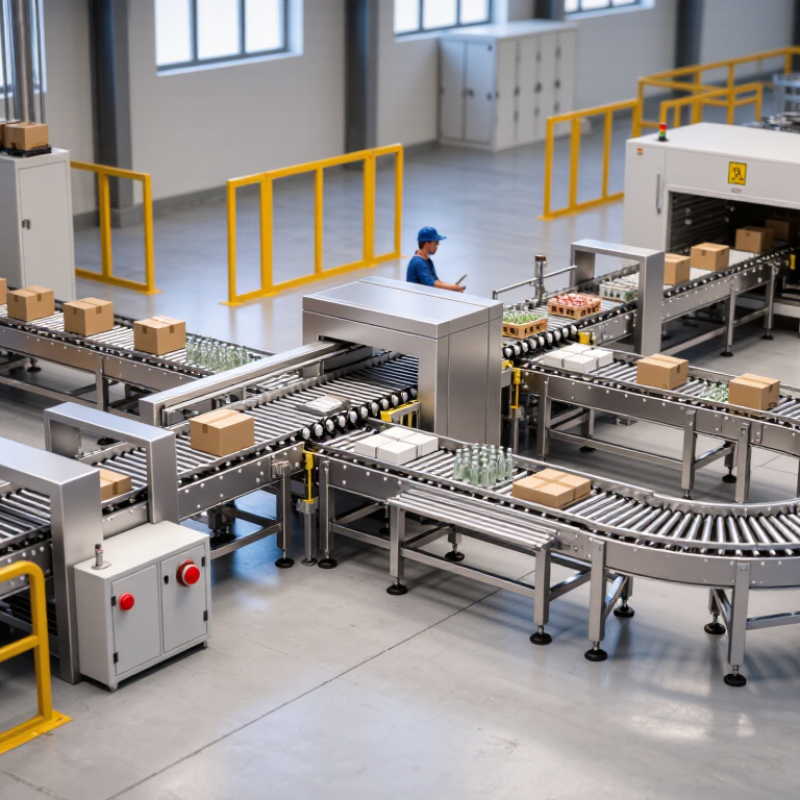
A top chain conveyor is a continuous transport system that moves products on a chain surface. The chain runs over sprockets and slides across wear strips. Products sit directly on its upper side. This structure differs from a belt conveyor, which uses a flexible, uninterrupted surface. Top chain designs can handle bottles, cartons, trays, and other rigid items. They are often selected for straight transfers, accumulation zones, and controlled product spacing.
The term sounds simple. The engineering is not. Chain pitch, load weight, speed, frame width, and transfer height must match the application. A wrong pitch may cause unstable movement. Poorly chosen guides can scratch containers or create jams. For global sourcing, buyers should request drawings, material details, maintenance instructions, and verified load data. Stainless steel frames may suit humid areas, while engineered plastics can reduce noise and friction. Requirements differ by industry and country, so local compliance checks remain important.
Tips: Confirm the largest and smallest product sizes before ordering. Check cleaning access around sprockets and wear strips. Ask for spare-chain availability and realistic delivery times. A quieter conveyor may still need frequent adjustment. That detail is easy to miss.
Why Choose a Top Chain Conveyor for Global Sourcing?
What Is a Top Chain Conveyor?
A top chain conveyor transports products on a continuous chain with a flat, durable surface. The chart shows representative operating-speed ranges commonly used for different conveying tasks. Actual performance depends on product weight, chain material, conveyor length, layout, accumulation requirements, and sanitation conditions.
Values are typical engineering planning ranges in metres per minute, not universal limits.
How Does a Top Chain Conveyor Work?
A top chain conveyor moves products on connected plates, called links, instead of a flexible belt. An electric motor turns a drive sprocket at one end. The sprocket engages each link and pulls the chain forward. A return sprocket guides the chain beneath the frame, creating a continuous loop. Simple, but not careless.
As the plates travel, wear strips support them and reduce friction. Side guides keep cartons, trays, or containers aligned near transfers and curves. The chain carries the load while the frame supports the chain. A gearbox or variable-frequency drive controls speed. Slower movement often prevents tipping, scuffing, and noisy starts. Product weight, plate pitch, and conveyor width must match the application. Washdown areas also require suitable materials and drainage.
During commissioning, check sprocket alignment, chain tension, and motor current under load. Listen for clicking. It may indicate debris, a dry bearing, or uneven wear. Lubrication depends on the chain and environment. Too much lubricant can attract dust. An initial setup is rarely perfect. A guide may sit too close, or a transfer may leave a small gap. Measuring real product movement matters more than trusting a catalogue diagram. Regular inspections improve reliability, although maintenance schedules still need site-specific review.
What Industries Use Top Chain Conveyors?
Why Choose Top Chain Conveyor for Global Sourcing?
What Industries Use Top Chain Conveyors?
Top chain conveyors serve industries that move stable, packaged, or rigid products. Food and beverage plants use them for bottles, cans, trays, and cartons. Packaging facilities rely on their steady surface during filling and labeling. Electronics manufacturers transport small housings and assembled components with careful side guidance. Automotive plants also use them for bins, parts, and inspection stations. The chain moves smoothly. Product control matters.
Personal care, cosmetics, pharmaceutical packaging, and household goods operations use similar systems. Stainless steel construction supports frequent cleaning in demanding environments. Adjustable guides help manage different package sizes. In warehouses, top chain conveyors connect packing, sorting, and pallet preparation areas. However, they are not a universal answer. Heavy loads, sharp edges, or unstable products may require another conveyor design. A practical review should check load weight, speed, moisture, temperature, and available floor space before sourcing equipment.
Tips: Ask for food-grade or corrosion-resistant materials when hygiene matters. Confirm motor capacity with real product weight, not estimates. Request layout drawings before ordering. Small transfer gaps can prevent costly product jams. Leave room for cleaning and maintenance. In practice, teams sometimes focus on price first and regret limited adjustment options later. A slightly stronger frame may be worth the difference.
Why Choose Top Chain Conveyors for Global Sourcing?
Choosing top chain conveyors for global sourcing can simplify material handling across different production environments. Their interlocking plastic or stainless-steel links create a stable surface for bottles, cartons, trays, and packaged goods. The design supports straight runs, curves, transfers, and controlled spacing. Small details matter.
From practical sourcing experience, buyers should examine chain pitch, load capacity, surface finish, motor efficiency, and replacement-part availability. A conveyor that performs well in one factory may struggle with humidity, abrasive dust, temperature changes, or frequent washdowns elsewhere. Ask for material certificates, dimensional drawings, test records, and clear maintenance instructions. These documents make supplier comparisons more reliable.
Global projects also need predictable communication. Confirm shipping dimensions, installation support, warranty terms, and local electrical requirements before placing an order. Food-related applications may require hygienic materials and cleanable structures, while heavy packages need stronger frames and properly sized drives. I once underestimated transfer height during a line upgrade. That mistake caused unnecessary rework. It taught me to verify every interface, not just the conveyor itself. The most suitable top chain conveyor is not always the cheapest option. A modest design with accessible parts may reduce downtime over several years. Supplier claims still need checking. Ask for references from similar operating conditions, review inspection procedures, and test a sample when the application is uncertain.
How to Evaluate Suppliers and Select the Right System?
Why Choose Top Chain Conveyor for Global Sourcing?
Selecting a top chain conveyor starts with the product, not the brochure. Define load, dimensions, speed, transfers, incline, cleaning method, and operating hours. A tray moving every 12 seconds needs different engineering from a heavy carton line. Ask suppliers for layout drawings, chain-tension calculations, noise data, and documented factory testing.
Global sourcing also demands evidence. The MHI 2024 Annual Industry Report found that 55% of supply-chain leaders expected increased automation investment. The International Federation of Robotics reported 541,302 industrial robots were installed worldwide in 2023. These figures show why conveyor integration, controls, and service capacity matter. Evaluate whether the supplier can connect sensors, drives, safety circuits, and warehouse software without creating hidden delays.
Look beyond purchase price. Compare energy use, spare-part availability, corrosion resistance, warranty response, and technician coverage near your site. Request references from facilities with similar loads and washdown conditions. During acceptance testing, measure actual throughput, transfer stability, emergency-stop recovery, and sound levels. Small details matter. A polished proposal may still hide weak commissioning support. I would also challenge every promised capacity figure; laboratory performance often differs from dusty, crowded production floors. A supplier that documents limitations may be more reliable than one promising perfection. Consider total cost over five years, including downtime, training, chain replacement, and customs-related delays.

