Essential Tips for Choosing a Pneumatic Control Panel?
Choosing the right pneumatic control panel is crucial for effective automation. These panels manage the flow of compressed air in various systems. Their reliability can impact both productivity and safety in operations. Understanding essential factors can guide this decision-making process.
When selecting a pneumatic control panel, consider the specifications that match your operational needs. Look into the panel's pressure capabilities and durability. Each choice can significantly affect performance quality. Experts recommend thoroughly evaluating potential suppliers. Look for those with proven track records in the industry. This can ensure that you receive a control panel with the required reliability.
Moreover, it is vital to reflect on your specific applications. Pneumatic control panels vary widely in design and function. This variety can lead to confusion in the selection process. Having a clear understanding of your needs can reduce this uncertainty. Avoid rushing the decision; it is essential to choose wisely for long-term efficiency. Investing time in research and consultation can lead to better outcomes.
Understanding the Basics of Pneumatic Control Panels in Industry Applications
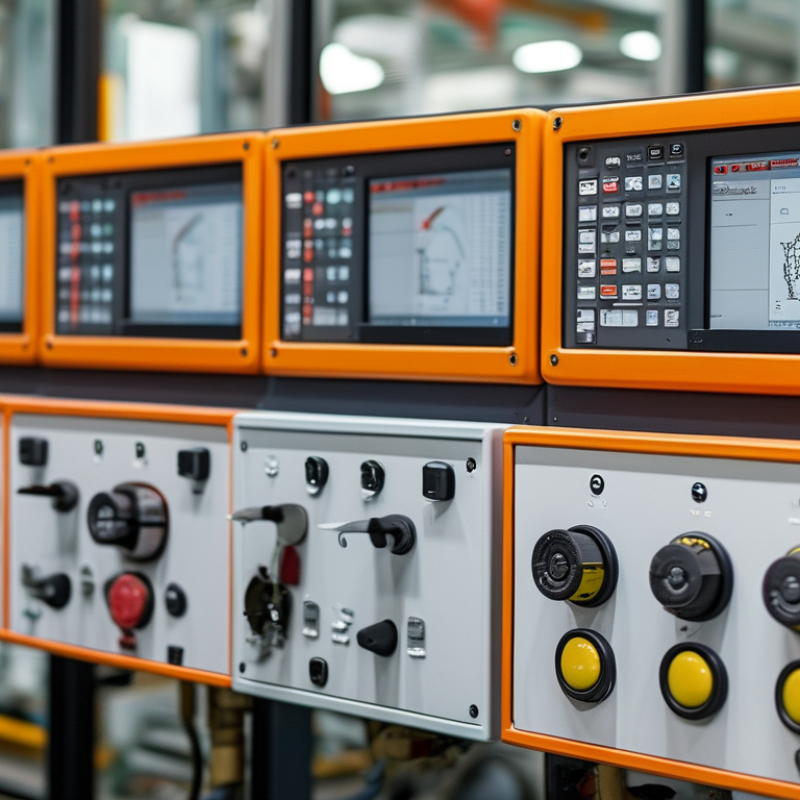
Pneumatic control panels play a vital role in various industrial applications. They help manage and regulate compressed air systems, ensuring efficient operation. Understanding their fundamentals is crucial for effective implementation. These panels can control valves, cylinders, and other pneumatic components seamlessly. Their design often involves numerous input and output connections, making them integral to automation.
When choosing a pneumatic control panel, consider the specific needs of your operation. Evaluate the panel's capacity to handle various pressures. Miscalculations here can lead to inefficiencies. Select a panel that offers adjustable settings. Flexibility allows for adaptations in changing conditions. Pay attention to the panel's material and build quality. A robust design can withstand harsh environments.
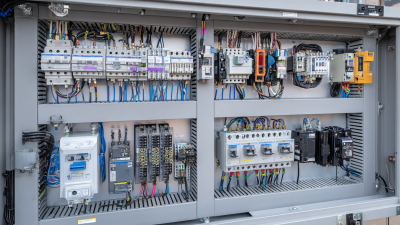
It’s essential to understand the layout and wiring of the panel. A clear setup simplifies troubleshooting and maintenance. Inspection ports and easy access can save time and effort. Also, not all panels are user-friendly. Consider training staff to operate them effectively. Poor communication or insufficient training may hinder performance. This is an area often overlooked, yet it requires reflection and improvement for optimal results.
Key Factors to Consider When Selecting Pneumatic Control Panels
Choosing the right pneumatic control panel can significantly impact efficiency and safety in various applications. One key factor to consider is the type of materials used in the panel’s construction. Look for panels made from durable and corrosion-resistant materials, especially if they will be subjected to harsh environments. Additionally, the panel's design should facilitate easy access for maintenance and troubleshooting. This aspect can drastically reduce downtime during operations.
Another essential aspect is the compatibility of the control panel with your existing systems. Evaluate the voltage ratings and control methods. Different pneumatic systems may require distinct control signals. Make sure the panel you choose can handle these requirements while offering flexibility for future upgrades. It's also wise to assess user feedback and reviews from other professionals in the field. This insight can help identify potential issues with performance that might not be immediately apparent.
Installation is another area that warrants careful consideration. A complex setup can lead to operational inefficiencies. Ensuring that your team understands the installation process can save time and resources. Don’t overlook training requirements either; an effective control panel should come with user-friendly documentation and training options to ease the learning curve. These factors, while sometimes underestimated, can be crucial for long-term success and reliability.
Evaluating Technical Specifications: Pressure Ratings and Flow Capacity
When selecting a pneumatic control panel, understanding technical specifications is fundamental. Pressure ratings are critical. They define the maximum pressure the system can handle without risking failure. Beyond the label, investigate the panel’s build quality. Materials and design influence performance. A panel rated for high pressure might falter due to weak components.
Flow capacity is another vital factor. This measurement determines how much air can pass through the panel. Insufficient flow can cause delays or system inefficiencies. It’s crucial to match the flow capacity with your application needs. Sometimes, manufacturers provide optimistic flow rates. Always verify them with real-world testing data if possible.
Many users overlook installation requirements. Proper fitting and alignment are essential for efficiency. A panel that seems perfect on paper may encounter issues during setup. Pay attention to dimensions and compatibility. It’s vital to consider the operating environment. Temperature and humidity can affect both pressure ratings and flow capacities. It’s not just about specifications; real-world conditions challenge even the best designs.
Essential Tips for Choosing a Pneumatic Control Panel
Importance of Material Selection for Durability and Performance
When selecting a pneumatic control panel, material choice significantly influences durability and performance. Materials must withstand various environmental conditions. Common options include aluminum, stainless steel, and engineered plastics. Each material offers unique advantages and challenges, so understanding their properties is crucial.
Aluminum is lightweight but can corrode if not properly coated. Stainless steel is robust and resistant to harsh conditions, ideal for outdoor use. However, it is also heavier and more expensive. Engineered plastics provide good chemical resistance and can reduce weight, but they may not handle extreme temperatures well.
Pay close attention to the panel's intended use. If it will face moisture or corrosive elements, prioritize materials with high resistance. Analyze the operating environment; sometimes, opting for a slightly heavier, more durable option can prevent future issues.
Consider the panel's expected lifespan. Investing in high-quality materials may be costly upfront but can save money on repairs. Evaluate your options critically, keeping in mind the balance between cost, weight, and durability. Remember, hasty decisions can lead to performance issues down the line. Make thoughtful choices to ensure long-lasting functionality.
Essential Tips for Choosing a Pneumatic Control Panel
| Material Type |
Durability Rating |
Performance Attributes |
Typical Applications |
| Aluminum |
High |
Lightweight, excellent thermal conductivity |
Industrial automation, robotics |
| Stainless Steel |
Very High |
Corrosion resistance, robust structure |
Chemical processing, food industry |
| Plastic (Polycarbonate) |
Medium |
Impact resistance, lightweight |
Consumer electronics, packaging |
| Composite Materials |
High |
Enhanced strength-to-weight ratio, customizable properties |
Aerospace, automotive component manufacturing |
| Cast Iron |
High |
High compressive strength, vibration damping |
Heavy machinery, construction equipment |
Best Practices for Installation and Maintenance of Pneumatic Control Panels
When dealing with pneumatic control panels, proper installation is crucial. Begin by choosing a clean, dry location. Moisture can damage sensitive components. Ensure that the area has easy access for maintenance and troubleshooting. Securely mount the panel to avoid vibrations that can lead to wear. Use appropriate mounting hardware suitable for your environment.
Maintaining a pneumatic control panel requires regular checks. Schedule inspections to identify potential issues early. Look for signs of wear or degradation in hoses and fittings. Cleaning the panel regularly helps prevent dust accumulation. Dust can interfere with sensors and other sensitive parts. During these checks, ensure all connections are tight. Any loose fittings can lead to air leaks, compromising system efficiency.
Documentation is essential. Always refer to the installation and maintenance manuals specific to your panel. Keep a log of all maintenance activities. This creates a clear history and helps identify trends. Learning from past reflections can lead to better practices in future maintenance. Even small changes can improve the panel's lifespan and reliability.